ChatGPT in a Hard Hat: Japanese Giant Taisei Puts Neural Networks in Charge of Construction
Японская строительная корпорация Taisei решила, что ChatGPT Enterprise — лучший наставник для молодых инженеров. Компания масштабирует генеративный ИИ на весь с
AI-processed from OpenAI Blog; edited by Hamidun News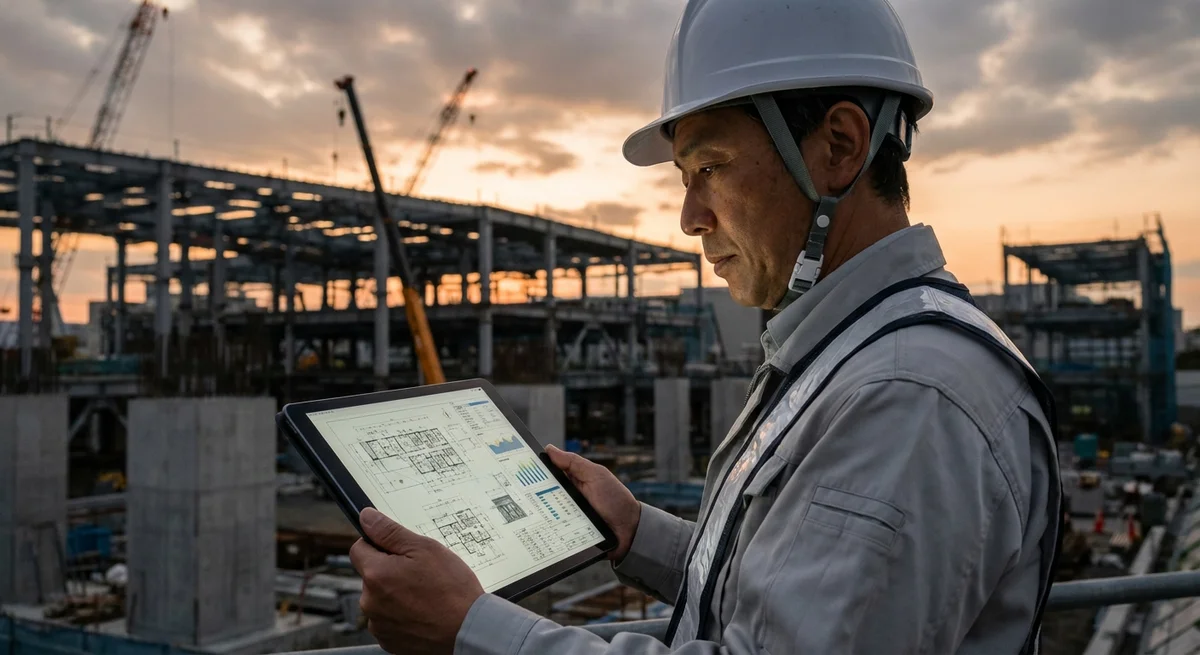
The construction industry has always been a stronghold of conservatism. Here, people value not rapid software updates, but the durability of concrete, the precision of geodetic surveys, and the many years of experience of a site foreman. But even such titans as Japanese Taisei Corporation have begun to understand: old methods can no longer build modern megacities. While the world debates whether AI will replace copywriters and artists, Taisei puts a virtual hard hat on ChatGPT and sends it to the frontlines of global development. This is not just an experiment, but a forced evolution in conditions where reality bites back.
Why do builders need a neural network? The answer lies not in the desire to appear modern, but in the harsh demographic reality of Japan. The country is aging rapidly, and experienced engineers who can spot defects in reinforcement by eye or optimize logistics on complex projects are becoming fewer and fewer. Taisei decided that ChatGPT Enterprise would become that very "digital mentor" that would accumulate the experience of veterans and pass it on to young professionals. This is an attempt to digitize the intuition and knowledge accumulated over decades, before they retire along with their bearers. In Japan, this is called the "2024 problem"—a critical shortage of labor in logistics and construction requires radical solutions.
The choice of ChatGPT Enterprise was no accident. In construction, any leak of data about blueprints, new materials, or tender conditions is a catastrophe of biblical proportions. The corporate version provides precisely the security and privacy that allows engineers to feed the model confidential regulations and internal archives without fear that they will surface in competitors' responses a week later. Taisei didn't just give employees access to a chat; they integrated AI into the talent management system itself. This means that the neural network now helps create individual learning plans and answers employees' complex technical questions in real time.
It is interesting to observe how the role of HR is changing in such conservative structures. Previously, the HR department dealt with paperwork and organizing annual medical exams. Now, HR at Taisei is a full-fledged driver of technological transformation. They were the first to realize that in 2024, "talent development" is not only advanced training courses, but also a person's ability to work in tandem with an algorithm. If a young engineer doesn't know how to properly compose a prompt for analyzing structural stability based on the company's historical data, he becomes less effective than a colleague who has mastered this skill. AI here acts not as a replacement for humans, but as an exoskeleton for the mind.
Scaling generative AI across the entire global business is a risky but strategically calculated step. Construction is literally drowning in unstructured data: reports from sites, safety logs, material specifications, and endless chains of emails. ChatGPT allows you to transform this mountain of information garbage into a structured knowledge base. Instead of spending hours searching for the right clause in archives from a decade ago, an employee simply asks the AI a question. This saves thousands of human hours, which in conditions of labor shortage are worth more than gold.
What does this mean for the industry as a whole? We are witnessing the end of the era of "isolated AI." Previously, neural networks were a toy for data scientists in the sterile offices of Silicon Valley. Now they are becoming part of basic infrastructure, as familiar as electricity or the internet. If the Japanese construction sector, known for its legendary unwieldiness and love of paper seals, is making such a sharp turn toward OpenAI, it means the point of no return has been passed. Other market players will have to either urgently catch up, or continue building the old way, hoping that young people suddenly want to work without the help of smart algorithms. Spoiler: they won't.
The bottom line: Taisei is transforming AI from a "smart chatbot" into a survival tool in conditions of workforce shortage. Will other players in the sector be able to adopt this experience, or will we continue to use neural networks only for generating pretty pictures of future buildings?
Want to stop reading about AI and start using it?
AI News is a curated feed of AI/tech news. Hamidun Academy teaches you to use AI systematically in your work.