SkyReels-V3: Chinese Neural Network Makes Elon Musk Work for It
Китайский гигант Kunlun Wanwei выпустил SkyReels-V3, и это серьезный вызов для Runway и Luma. Главная фишка модели — невероятная консистентность персонажей. В д
AI-processed from Jiqizhixin (机器之心); edited by Hamidun News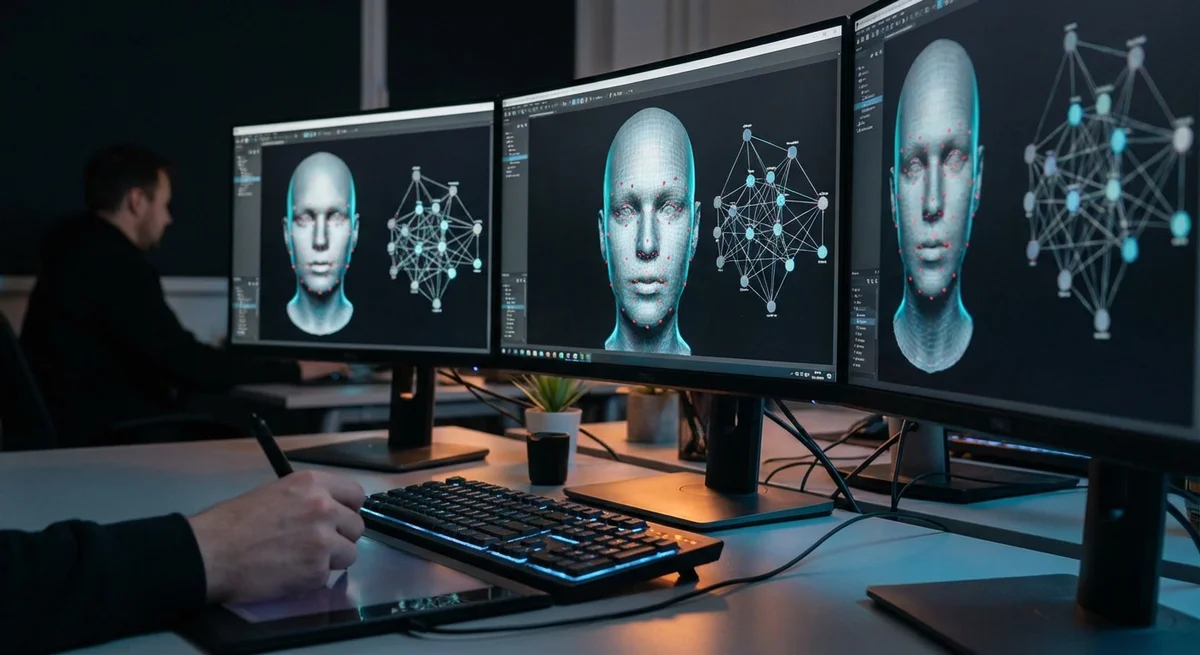
While Western giants like OpenAI keep their best developments under lock and key, the Chinese team from Kunlun Wanwei decided to go all-in. They released SkyReels-V3 into open access — a video generation model that aims straight at the heart of the short-form content industry. If you've ever tried to create AI video, you know the main pain point: the character in the first frame rarely looks like themselves in the second.
SkyReels-V3 promises to end this "facial fluidity" and make video production truly predictable. As their main trump card, the developers used an image that's impossible to ignore. The digital clone of Elon Musk in their demo reels looks disturbingly stable.
He doesn't just stand like a mannequin, but actively moves, gestures, and even attempts to stream products. At the same time, his face doesn't turn into pixel mush or mutate into a neighbor's face five seconds later. For an industry where every extra artifact means hours of post-production, this sounds like a death sentence for traditional production methods.
Technically, SkyReels-V3 relies on a new consistency control architecture. The model understands the geometry of a character's face and body, keeping them in memory throughout the generation process. This makes it possible to create not just scattered clips, but sequential scenes. Now creating a virtual influencer who will run their blog 24/7 without weekends or lunch breaks becomes a technically trivial task.
Kunlun Wanwei is clearly aiming at the TikTok and Reels market, where image stability is the key to brand recognition. Why does this matter right now? We're witnessing the end of the era of "hallucinogenic" video. Previously, neural networks produced beautiful but uncontrollable dreams. Now we're getting tools with clear control. The fact that SkyReels-V3 went open source changes the rules of the game. Now any startup doesn't need to spend millions of dollars training its own model from scratch — you can take a ready-made base and fine-tune it for specific needs, whether it's sneaker ads or creating a full animated film.
Of course, using Musk's image is subtle trolling and simultaneously a demonstration of power. The developers are essentially saying: "We can bring anyone to life, and we don't need permission to do it." This raises a huge layer of ethical questions, but technological progress rarely pays attention to such trifles. While lawyers argue about the rights to digital faces, thousands of creators will already be stamping out content using SkyReels-V3.
Ultimately, Kunlun Wanwei confirms China's status as a leader in applied AI. They're not just making "like Sora," they're making it accessible and applicable to business here and now. If previously creating a quality deepfake required the skills of a professional editor, today all you need is a mid-range graphics processor and a couple of lines of text. The barrier to entry in the video production industry hasn't just fallen — it has disappeared.
The bottom line: SkyReels-V3 makes character consistency a publicly available technology. Will paid services like Runway justify their subscription when free alternatives allow you to create entire series with unchanging characters?
Want to stop reading about AI and start using it?
AI News is a curated feed of AI/tech news. Hamidun Academy teaches you to use AI systematically in your work.