Shenzhen Expels Western Software: Smart Home Transitions to Chinese Chips and AI
Shenzhen long ago ceased to be just a massive smartphone assembly factory and transformed into a testing ground for technological sovereignty. While the rest…
AI-processed from 36Kr (36氪); edited by Hamidun News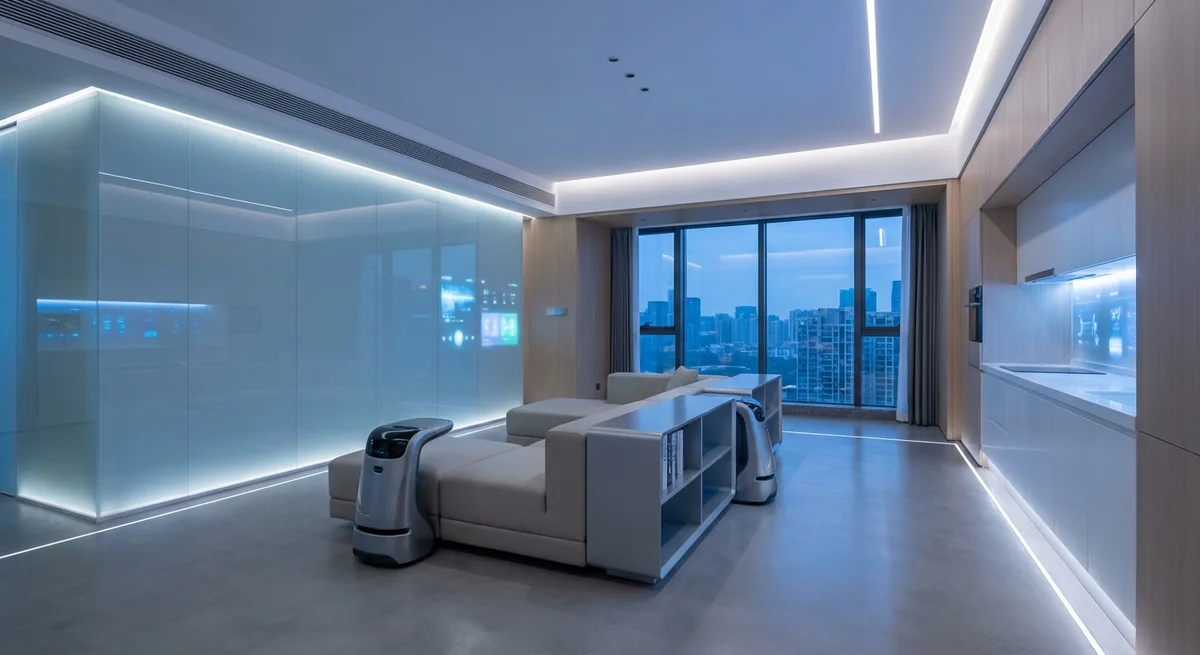
Shenzhen long ago ceased to be just a massive smartphone assembly factory and transformed into a testing ground for technological sovereignty. While the rest of the world discusses new chatbot features, the Chinese tech hub has decided to come from the rear—through our kitchens, bedrooms, and living rooms. A new three-year consumer environment optimization plan, presented by five city departments, unambiguously suggests: the era of Western standards domination in smart homes is coming to an end.
City authorities are officially calling on businesses to accelerate the adaptation of household appliances to domestic operating systems and microchips. This is not merely a bureaucratic wish, but a clear development vector for 2026–2028. Context here is more important than the formulations themselves.
Against the backdrop of endless sanctions and trade wars, Beijing has realized that dependence on ARM architectures or Western cloud services in household appliances is a vulnerability. The solution was found in the concept of "Holistic Intelligence for the Entire Home," where OpenHarmony plays a central role. This operating system, grown from Huawei's developments, is now positioned as the foundation for everything: from smart door locks to advanced kitchen systems.
Shenzhen plans to transform ordinary furniture and household appliances into so-called "fist products," which will not just sit in a corner, but actively interact with the user through integrated AI. What exactly will change for the average consumer and manufacturer? The plan provides for deep integration of artificial intelligence into televisions, audio systems, lighting, and even fitness equipment.
If previously a "smart home" meant the ability to turn off lights from a smartphone, now we're talking about proactive system behavior. Robot vacuums and food processors should not just execute commands, but analyze the living environment using the power of Chinese neural chips. City authorities intend to create specialized consumer experience centers, where residents will be clearly shown the advantages of living in an ecosystem completely free from foreign influence.
This is a large-scale campaign to reprogram buyer consciousness, backed by real technology. Special attention is paid to deep integration of OpenHarmony with the concept of smart space. This means that the fragmentation, which has plagued the Internet of Things market for years, must disappear.
When a lock, stove, and air conditioner work on one core and understand each other without intermediaries in the form of American servers, reliability and speed of operation increase many times over. Shenzhen is betting that home automation will become a driver of growth for the city's entire economy. They are stimulating not only the purchase of new gadgets, but also large-scale renovation of old housing to introduce "smart" components there.
This is a huge market for local startups, which now receive a free hand in replacing imported components. Why is this important for the global market? Shenzhen often acts as a trendsetter in electronics manufacturing.
If their experiment in forced "harmonization" of everyday life succeeds, we will see the birth of a new standard that will be exported around the world. Western companies will have to either adapt to the requirements of Chinese operating systems or finally lose this segment. The irony is that while the world argues about data security in TikTok, China is methodically building an environment where every appliance works on sovereign code and chips.
This is a long game, where the prize becomes complete control over the digital everyday life of millions of people. The main point: Shenzhen is creating a precedent where a city of millions is directly transitioning private life to sovereign AI-rails. Will Apple HomeKit or Google Home be able to withstand the onslaught of a system embedded in every Chinese door lock at the level of state strategy?
Want to stop reading about AI and start using it?
AI News is a curated feed of AI/tech news. Hamidun Academy teaches you to use AI systematically in your work.