Vidu Q2: Now AI Copies Not Just Pictures but Acting Performance
Китайская компания Shengshu Technology выпустила обновление своей видеомодели Vidu Q2 с функцией Reference Pro. Это не просто очередной фильтр, а глубокий инстр
AI-processed from Jiqizhixin (机器之心); edited by Hamidun News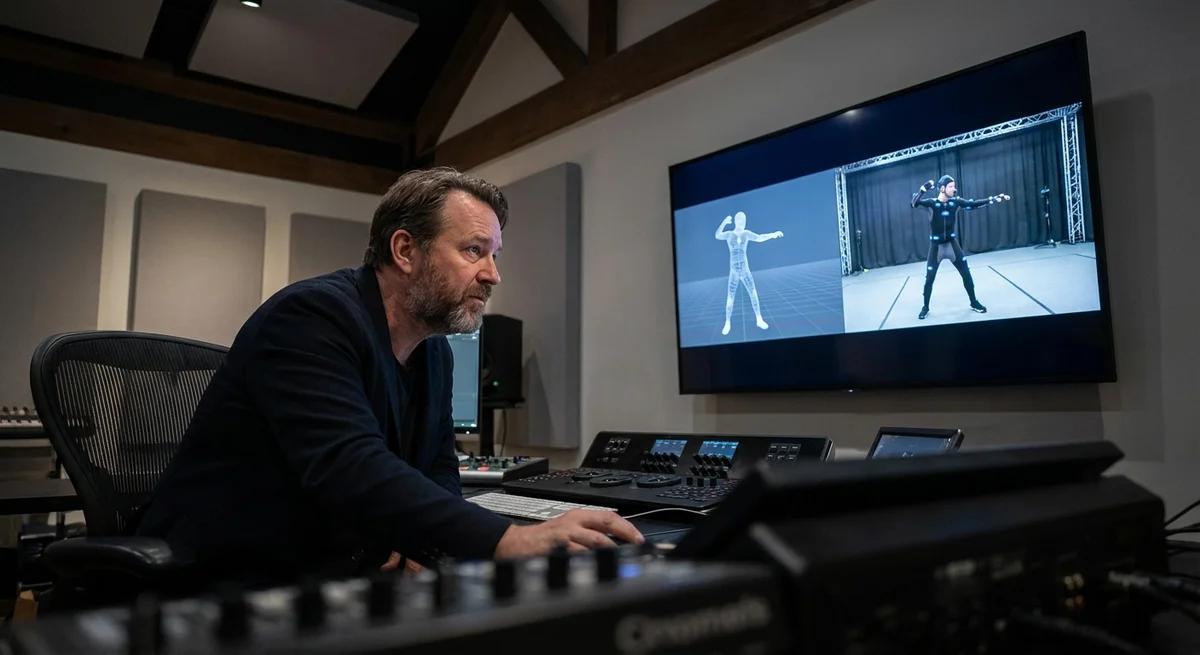
Vidu Q2: Now AI Copies Not Just the Image, But the Acting Performance
While the global community waits in anticipation for at least a closed beta of OpenAI's Sora, Chinese developers from Shengshu Technology decided that the era of beautiful demo videos is over. Their project Vidu has already established itself as a serious competitor in the generative video market, but the fresh Q2 update with the Reference Pro feature takes the game to a completely different level.
The main problem with neural network video today is the lack of control. You can get an amazing frame, but forcing the neural network to reproduce it with the same character or in the same style is practically impossible. Vidu Q2 is trying to fix this by offering users a tool that the industry calls consistency.
The essence of the Reference Pro feature is that now you don't just write a text prompt and hope for luck. You give the model a reference. This can be a character image, a specific visual effect, or even a video with movements that need to be copied. The neural network analyzes the reference and "absorbs" its characteristics. In Chinese tech circles, this is called the effect of full immersion in context.
This makes it possible to keep a character's face unchanged throughout several scenes, which until recently was the main headache for anyone trying to assemble a full short film or commercial from neural network pieces. Technically, Shengshu Technology managed to achieve a separation of style and content attributes in the model's latent space. This means you can take complex choreography from one video and transfer it to a completely different character in a different environment, while preserving the physics and dynamics of the original. This isn't just mask overlay, but a complete scene reassembly with new variables in mind.
This approach makes Vidu Q2 not just a toy for meme generation, but a full-fledged working tool for creative agencies and small studios that don't have the budget for full graphics but do have a demand for quality.
Why is this important right now? We're witnessing a transformation in the AI content market. The first stage of "wow effect," when we were amazed by the mere possibility of bringing an image to life, has officially ended. The stage of pragmatism has arrived. Professionals don't need random masterpieces; they need tools that fulfill the technical specification. Chinese companies like Shengshu Technology and the creators of Kling understand this better than others. While Western corporations are bogged down in legal questions and ethical filters, Eastern developers are creating applied features that are changing the content production pipeline here and now.
It's also interesting how Vidu handles details. The Reference Pro feature allows you to copy even complex lighting schemes and textures. If your reference had soft sunset lighting and a certain film grain, the model will transfer this atmosphere to the final result with remarkable accuracy. This puts traditional video post-processing methods at risk, as many tasks can now be solved at the generation stage. We're seeing the barrier to entry for quality video production drop rapidly, and Vidu Q2 is one of the main drivers of this process.
Of course, questions remain about copyright and how such tools will be used to create deepfakes, but technological progress cannot be stopped. Vidu Q2 Reference Pro sets a new standard for manageability that Luma, Runway, and especially OpenAI will inevitably have to strive for. In a world where a "smart" tool can copy acting performance or complex visual style in a matter of minutes, the value of an idea becomes higher than the value of technical execution.
The bottom line: Vidu Q2 transforms video generation from a lottery into a managed process, betting on professional content creators. Will Sora be able to offer something more functional than just beautiful pictures when it finally sees the light of day?
Want to stop reading about AI and start using it?
AI News is a curated feed of AI/tech news. Hamidun Academy teaches you to use AI systematically in your work.