Google Photos: Now You're the Director, AI Is Your Editor
Google продолжает превращать обычную галерею в мощный творческий инструмент. Теперь функция Cinematic Photos в Google Фото получает полноценное текстовое управл
AI-processed from 3DNews AI; edited by Hamidun News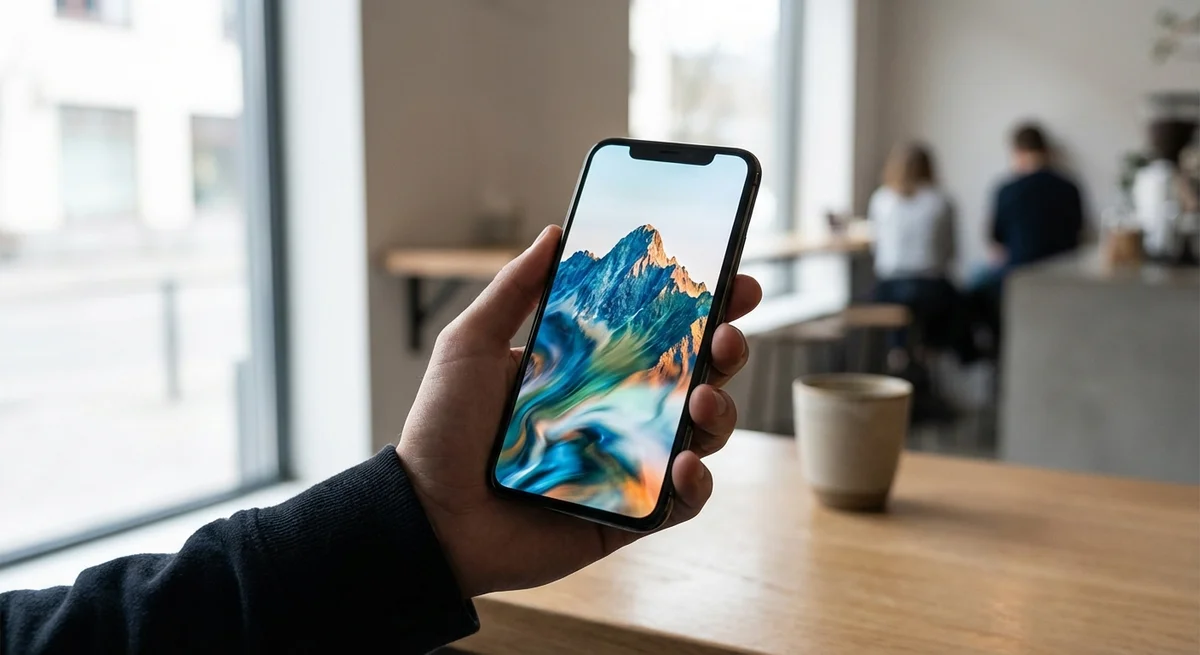
Remember when photography was just a frozen moment? Google thinks that's too boring for 2024. The era of static galleries is officially over, as Google Photos integrates generative AI to turn your vacation snapshots into full-fledged cinema. The irony is that thousands of photos sit in our clouds that we never open. Google has found a way to make us revisit this digital warehouse by turning it into an interactive sandbox.
Previously, the "Cinematic Photo" feature worked like a lottery. The algorithm would pick a shot on its own, apply a simple parallax effect, and deliver a result that either looked decent or weirdly distorted your friends' faces. Now the company hands the steering wheel to the user. You literally write in text: "make a smooth pan to the mountains" or "add an old film effect with subtle tremor," and the neural network redraws the frames, creating movement where none existed before.
Why is this happening right now? The answer is simple: the battle for our attention has shifted from "who will best preserve your photo" to "who can fastest turn that photo into social media content." Apple held the lead for a long time with Live Photos thanks to simplicity, but those were just short video clips recorded at the moment of capture. Google is taking a path of pure generation. They don't need you to shoot video — they'll create it from any old frame using their powerful visual model technology.
Technically, this means that inside your smartphone now lives a miniature version of powerful generators like Runway or Luma AI. Instead of just stretching the image, the AI reconstructs missing pixels when the virtual camera "turns" or "pans back." This requires massive computing power, which Google offloads to the cloud, making the feature accessible even for less powerful devices. But behind this convenience lies an important philosophical question: does a photograph remain a "memory" if half the movement in it was invented by an algorithm?
For the industry, this signals that the boundaries between formats have finally been erased. Professional editing and camera work are becoming accessible through a Google One subscription. While competitors try to teach AI to simply retouch blemishes, Google is teaching it film direction. This is a logical continuation of the company's strategy after launching Magic Editor — they want reality in your photos to be not as it was, but as you want to remember it.
In the near future, we'll see this technology migrate from personal archives to advertising tools. Imagine that small businesses no longer need a videographer: just take one quality product photo and ask the AI to "fly around" it from all angles. Google is clearly building an ecosystem where content is created from nothing, or rather from your old memories. We can only hope that in the pursuit of cinematography, we won't forget what the original moments looked like.
The bottom line: Google is turning "Photos" into a video editor for the lazy, where the prompt matters more than filming skill. Who's next — Apple with Final Cut integration?
Want to stop reading about AI and start using it?
AI News is a curated feed of AI/tech news. Hamidun Academy teaches you to use AI systematically in your work.