Taiwan Invests $250 Billion in U.S. Semiconductors
Taiwan is planning large-scale investments in the US semiconductor industry, which has become an important step in strengthening American-Taiwanese economic…
AI-processed from TechCrunch; edited by Hamidun News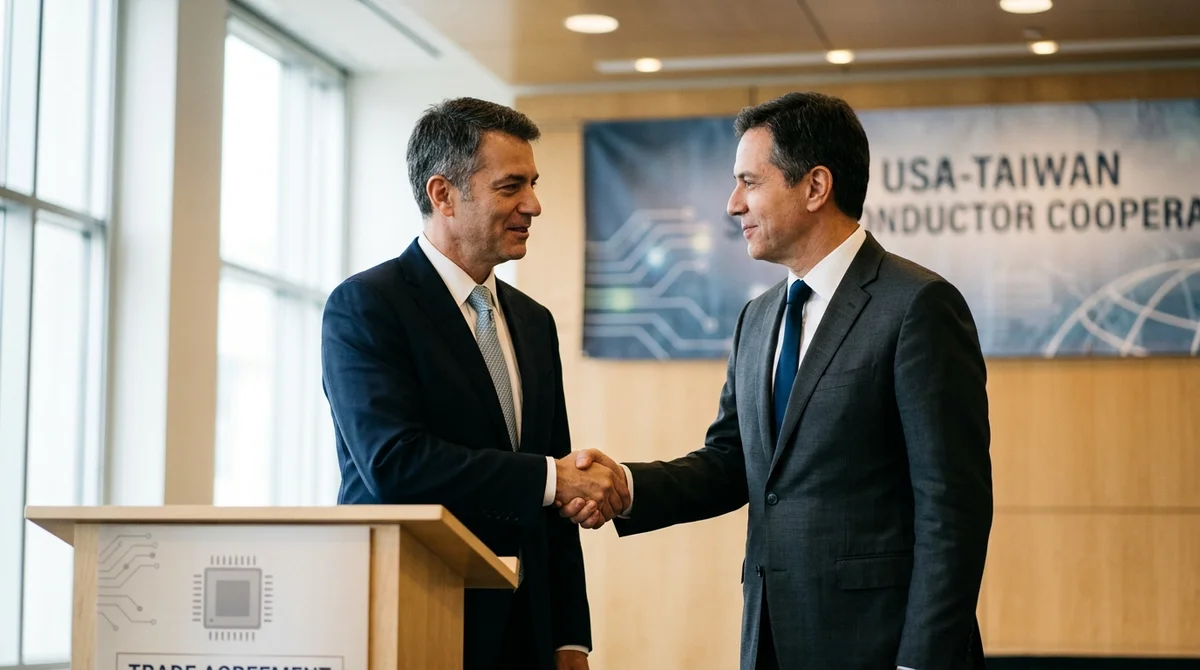
Taiwan is planning large-scale investments in the US semiconductor industry, which has become an important step in strengthening American-Taiwanese economic ties and enhancing the United States' position in the global race for technological leadership. The total investment volume is estimated at 250 billion dollars, which represents a significant injection of capital into the American economy and, in particular, into the semiconductor sector.
Semiconductors, or microchips, are a critically important component for numerous industries, ranging from consumer electronics and automobiles to defense industry and medical equipment. In recent years, there has been a global semiconductor shortage caused by various factors, including the COVID-19 pandemic, supply chain disruptions, and growing demand for electronic devices. This has led to the recognition of the strategic importance of having domestic semiconductor manufacturing capacity.
Taiwan's investments in the American semiconductor industry will be directed toward the creation of new manufacturing facilities, the expansion of existing enterprises, and support for research and development in this field. It is expected that this will create thousands of new jobs in the United States and strengthen the competitiveness of American companies in the global semiconductor market. Taiwanese companies, such as TSMC (Taiwan Semiconductor Manufacturing Company), already have significant presence in the United States and are likely to play a key role in implementing these investment plans.
This agreement also carries geopolitical significance. Taiwan is one of the world's leading semiconductor manufacturers, and strengthening economic ties with the United States can be viewed as a strategic move amid growing tensions in relations with China. Supporting the American semiconductor industry also reduces the United States' dependence on Asian manufacturers, which increases the country's economic security.
For American consumers and businesses, this means potential price reductions for electronic devices and increased accessibility to advanced technologies. Additionally, the development of domestic semiconductor production promotes innovation and the creation of new products and services. In the long term, this could lead to the strengthening of the American economy and the increase of its competitiveness.
In conclusion, Taiwan's investments in the US semiconductor industry is an important event that has far-reaching consequences for both countries and for the world economy as a whole. This is a step toward strengthening American-Taiwanese relations, reinforcing the United States' position in the technological race, and ensuring the country's economic security.
Want to stop reading about AI and start using it?
AI News is a curated feed of AI/tech news. Hamidun Academy teaches you to use AI systematically in your work.