Gates Foundation and OpenAI Test AI in African Healthcare
Фонд Гейтса и OpenAI тестируют решения на базе ИИ в африканском здравоохранении. Цель – поддержать работу систем, сталкивающихся с растущим спросом, нехваткой п
AI-processed from AI News; edited by Hamidun News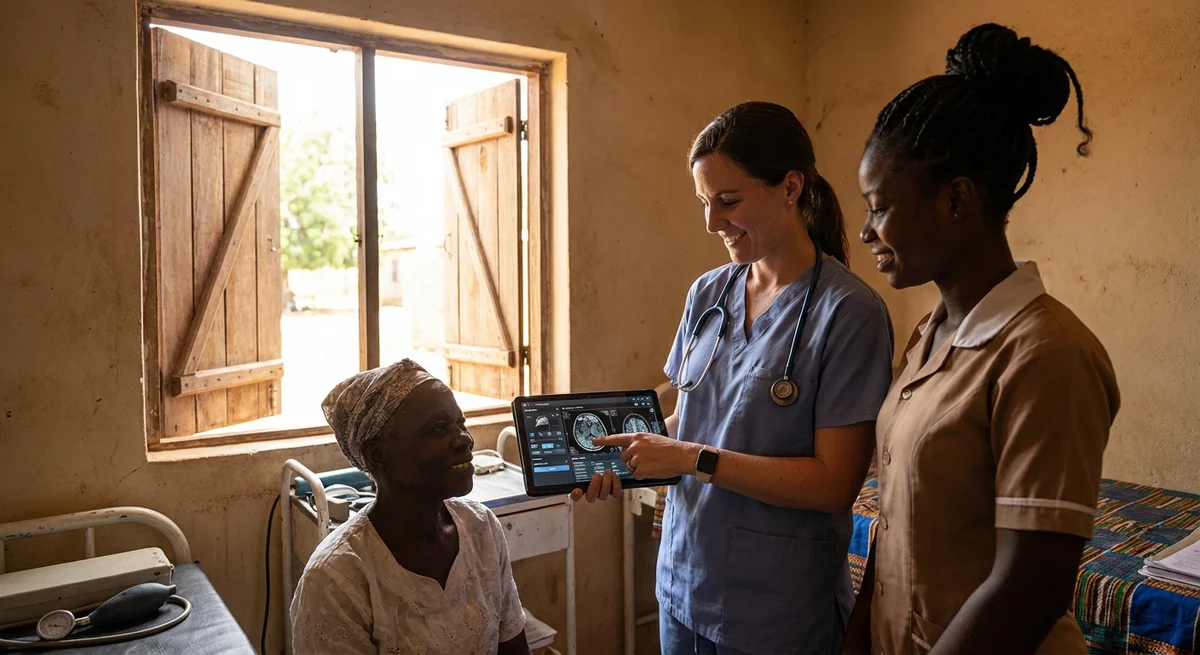
Primary healthcare systems across various regions of Africa face growing pressure, caught between rising demand, chronic staff shortages, and shrinking international aid budgets. In these circumstances, artificial intelligence (AI) is being tested in healthcare not so much as a breakthrough technology, but as a way to maintain the functioning of basic services.
According to Reuters, the Gates Foundation and OpenAI are exploring the possibilities of using AI to address these problems. The initiative is aimed at developing and implementing solutions that will help medical professionals in diagnosis, treatment, and disease prevention, as well as in resource management and workflow optimization. Special attention is being paid to developing tools that are accessible and effective in conditions of limited resources.
The implementation of AI in African healthcare is not simply a technological experiment, but a response to urgent problems. The shortage of qualified personnel, limited access to medical equipment and medicines, and rapid population growth create enormous strain on existing systems. AI can help doctors and nurses use their time and resources more efficiently, and also ensure better care for a larger number of patients.
One promising area is the development of AI systems for disease diagnosis based on the analysis of medical images, such as X-rays and ultrasound results. Such systems can help doctors detect diseases at early stages, which significantly increases the chances of successful treatment. Another area is the development of chatbots that can provide patients with health information, answer questions, and schedule doctor's appointments.
However, the implementation of AI in healthcare also comes with certain risks and challenges. It is important to ensure the confidentiality and security of medical data, as well as prevent discrimination and bias in AI algorithms. In addition, medical professionals need to be trained to work with new technologies, and access to them must be ensured for all, regardless of income level and place of residence.
Successful implementation of AI in African healthcare could serve as an example for other developing countries. This would improve the accessibility and quality of healthcare, reduce the burden on medical professionals, and improve the health of the population. Ultimately, AI could play a key role in achieving the UN Sustainable Development Goals in the field of healthcare.
In conclusion, the initiative of the Gates Foundation and OpenAI is an important step toward using AI to solve global healthcare problems. Despite existing challenges, the potential of AI in this field is enormous, and its successful implementation could bring significant benefits to millions of people in Africa and beyond.
Want to stop reading about AI and start using it?
AI News is a curated feed of AI/tech news. Hamidun Academy teaches you to use AI systematically in your work.