Artificial Intelligence and Copyright: Theft or Innovation?
A new conflict is raging in the artificial intelligence world: approximately 800 artists, writers, actors, and musicians have united under a campaign called…
AI-processed from 3DNews AI; edited by Hamidun News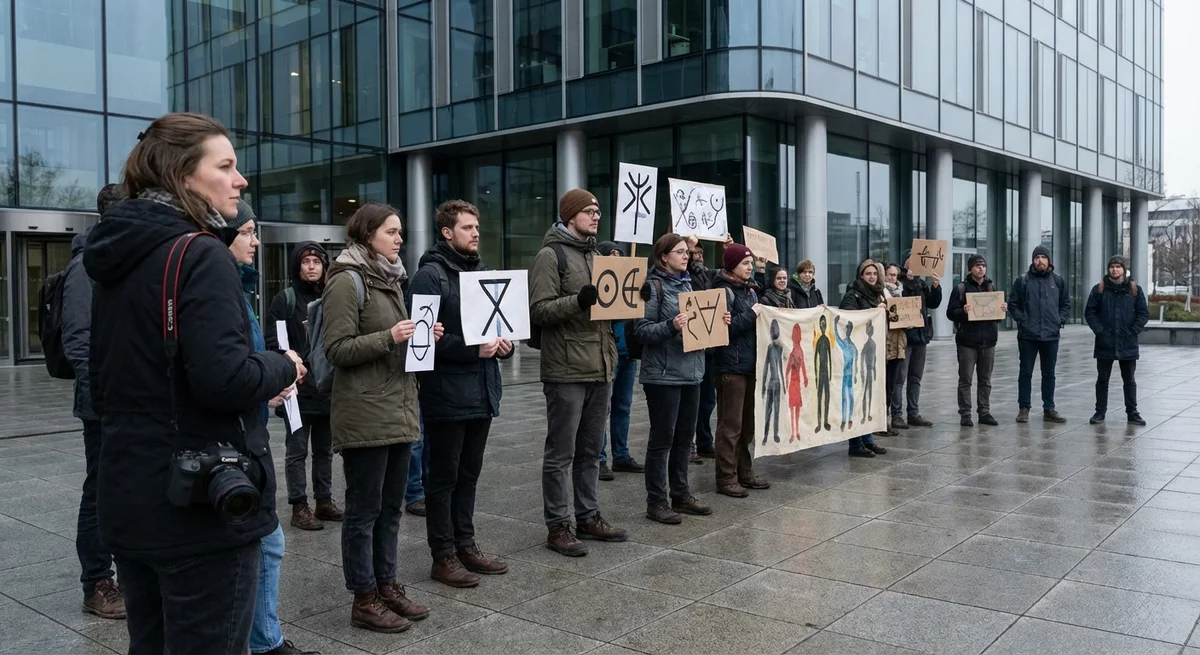
A new conflict is raging in the artificial intelligence world: approximately 800 artists, writers, actors, and musicians have united under a campaign called "Theft is Not Innovation." Their goal is to oppose the unauthorized use of their creative works to train neural networks. According to campaign participants, major AI companies developing generative models are simply "stealing" intellectual property on a massive scale to enrich their algorithms.
The problem is that many modern AI models, capable of creating text, images, music, and even video, are trained on massive datasets collected from the internet. These datasets frequently contain copyrighted works – books, paintings, musical compositions, and so on. AI companies rarely obtain explicit permission from copyright holders to use these materials, citing the concept of "fair use" or claiming that AI training is transformative use that does not infringe on copyrights.
However, the creative community categorically disagrees. They argue that using their works to train AI without permission and compensation is a direct violation of their copyrights and deprives them of the ability to earn income from their creativity. In their view, AI companies should either obtain licenses to use content or develop alternative training methods that do not require unauthorized copying.
This campaign has serious implications for the entire artificial intelligence industry. If the creative community succeeds in proving its case in court or convincing lawmakers to adopt stricter rules on using content to train AI, this could significantly complicate and increase the cost of developing new models. AI companies would have to spend more time and resources obtaining licenses or developing alternative training methods, which could slow the pace of industry development.
This also has implications for end users. If AI models become more expensive to develop, this could be reflected in the cost of AI-based products and services. Additionally, if AI companies are forced to use only licensed content, this could limit the diversity and creativity of generated results.
Ultimately, the question of whether using content to train AI is "theft" or "innovation" remains open. However, one thing is clear: this is a complex and multifaceted issue that requires careful consideration and the search for a compromise solution that takes into account the interests of both the creative community and the artificial intelligence industry. It is important to find a balance between stimulating innovation and protecting authors' rights to ensure sustainable and fair development of the industry.
Want to stop reading about AI and start using it?
AI News is a curated feed of AI/tech news. Hamidun Academy teaches you to use AI systematically in your work.