Microsoft expands data centers, pledging not to raise electricity rates
Microsoft has announced the construction of new data centers in response to growing demand for AI. The company pledges to offset energy consumption to prevent rate increases for the public. Sustainable development strategy will be a priority.
AI-processed from TechCrunch; edited by Hamidun News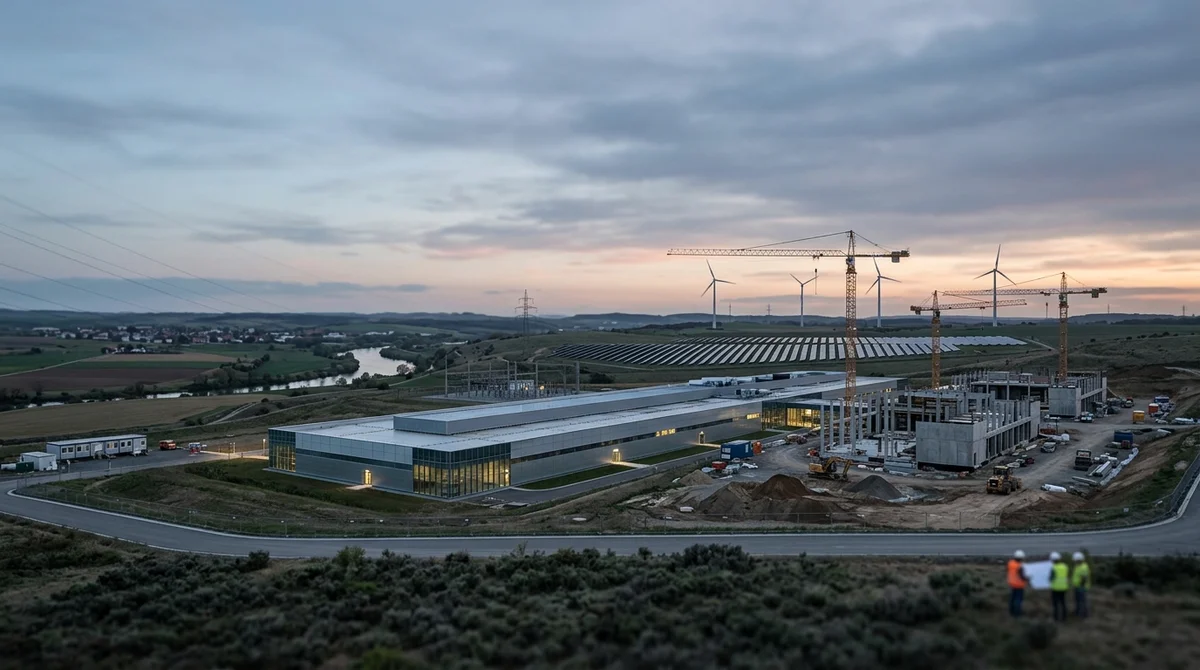
Microsoft is making a major bet on artificial intelligence by expanding its data center infrastructure throughout the country. However, the new construction has raised concerns about increased electricity consumption and, as a consequence, rising utility rates for residents. In response to these concerns, Microsoft has made a statement in which it promised to be a "good neighbor" and to compensate for any additional energy consumption associated with the new data centers.
Context here is critically important. The rapid growth of AI requires enormous computing power, which in turn leads to exponential growth in energy consumption. Data centers, where servers powering AI models are housed, are among the most energy-intensive facilities. At a time when environmental sustainability and energy security issues are becoming increasingly relevant, Microsoft's promise looks like an attempt to mitigate potential negative reactions from the public and regulatory bodies.
The details of Microsoft's strategy remain somewhat unclear for now. The company will likely employ a combination of measures, including investments in renewable energy sources, optimization of energy efficiency in its data centers, and agreements with local energy companies. It is important to note that Microsoft already has experience implementing similar projects. The company actively invests in solar and wind energy and aims to achieve carbon neutrality by 2030.
The implications of this statement for the industry and users are enormous. First, it sets a precedent for other technology companies that are also investing in AI infrastructure. They are expected to follow Microsoft's example and take measures to minimize the impact on the environment and the energy system. Second, it may stimulate the development of more energy-efficient AI technologies. Developers will be motivated to create algorithms that require fewer computing resources and consequently consume less energy. Third, it may influence the choice of location for new data centers. Companies will prefer regions with developed renewable energy infrastructure and favorable conditions for building environmentally clean facilities.
In conclusion, Microsoft's promise not to raise electricity rates despite expanding its AI infrastructure is an important step toward sustainable development. It demonstrates that technology companies recognize their responsibility for environmental impact and are willing to take measures to minimize negative consequences. The future will show how successfully Microsoft will be able to fulfill its promises, but already this statement can be considered a positive signal for the industry and society as a whole.
Want to stop reading about AI and start using it?
AI News is a curated feed of AI/tech news. Hamidun Academy teaches you to use AI systematically in your work.
The AI world, distilled — once a week
Seven stories that actually mattered, hand-picked. No noise, no reposts, no press releases.
Done! Check your inbox for a confirmation.