Mobileye sold self-driving technology for 25 years — now it is launching its own robotaxis
Mobileye — the company that spent 25 years supplying automakers with cameras, chips, and autonomous-driving software — has announced the launch of its own…
AI-processed from TNW; edited by Hamidun News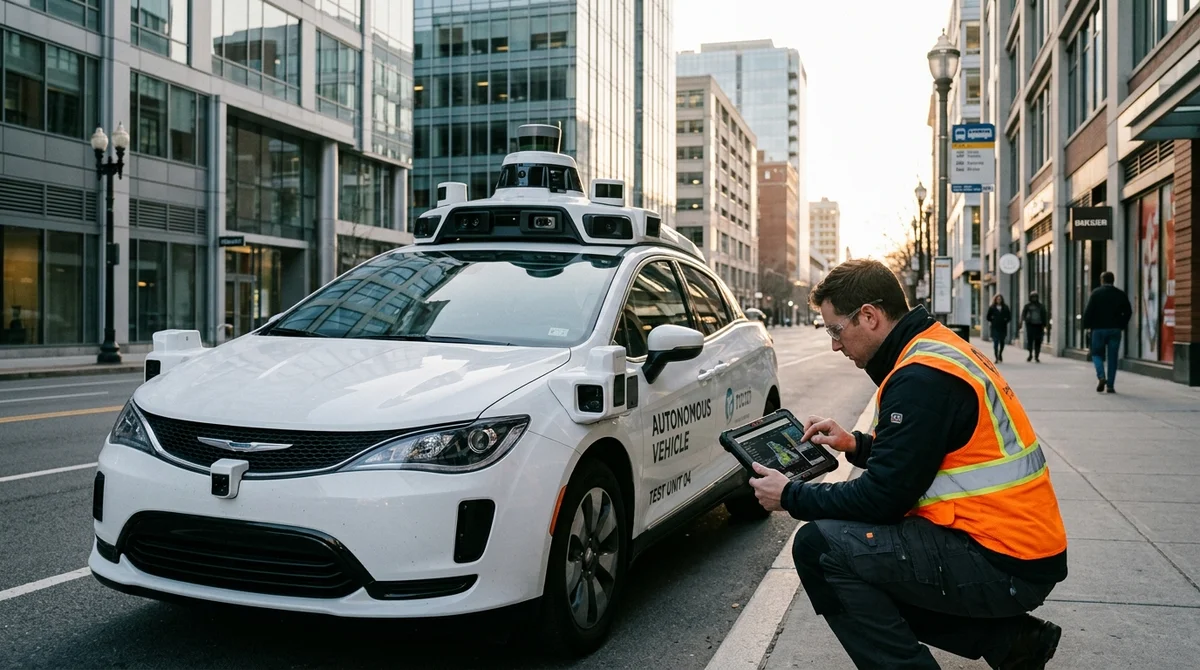
Mobileye — a company that has supplied automakers with cameras, chips, and software for autonomous driving for 25 years — has announced entry into an entirely new niche for itself: it intends to launch its own robotaxi service.
Supplier Becomes Operator
For a quarter century, Jerusalem-based Mobileye has maintained a clear strategy: sell technology while staying out of the transportation business. The "supplier" model worked flawlessly — the company equipped hundreds of partners worldwide with driver assistance systems, from German premium automakers to Chinese mass-market producers. Its EyeQ processor series is embedded in dozens of car models that drive daily on roads across six continents.
On June 16, Mobileye announced a change of course. The company plans to itself operate an autonomous taxi fleet — not simply sell the "brain" for a vehicle, but manage the trips themselves, interact with passengers and urban infrastructure. For a company that deliberately avoided this role, such a decision is a strategic pivot.
Where Does the Confidence Come From
Behind Mobileye stands an asset that most competitors lack: the company's technologies are installed in more than 230 million vehicles. This means years of data flow about real-world driving behavior across different countries, climates, and urban scenarios. Mobileye's algorithms have "seen" road situations that many startups still simulate in virtual tests.
- 25 years of development in computer vision and machine learning
- Proprietary EyeQ chips optimized for autopilot tasks
- Partnerships with dozens of global automakers: BMW, Volkswagen, SAIC, and others
- Proven algorithms for pedestrian recognition, lane marking, and obstacle detection
- Accumulated real traffic data from hundreds of millions of vehicles
All of this is a foundation built over decades — something no startup from scratch could reproduce in a few years of venture capital funding.
Competition in an Overheated Market
The market Mobileye is entering is already crowded. Waymo from Alphabet transports commercial passengers in several American cities. Baidu Apollo operates in China. Tesla announced the Cybercab and its own robotaxi network. Amazon is developing Zoox. Each of these players has spent billions building vehicle fleets, refining operational processes, and obtaining licenses.
Mobileye is taking a different approach: not building cars from scratch, but translating accumulated technological expertise into an operational business. This is potentially a less capital-intensive path — but it requires fundamentally new competencies: dispatch systems, customer service, insurance, interaction with city authorities and regulators. This is precisely where Mobileye lacks proven experience.
What This Means
Mobileye's entry into robotaxis blurs a boundary that long seemed clear in the industry: some create technology, others operate it. If the company succeeds in monetizing its quarter-century of technological assets, it could significantly shift the balance of power in the autonomous transportation market — and prove that a component supplier can become a full-service operator.
Want to stop reading about AI and start using it?
AI News is a curated feed of AI/tech news. Hamidun Academy teaches you to use AI systematically in your work.