Extreme heat in Europe: how record temperatures are straining power grids
Europe is being hit by extreme heat — temperature records are being set across the continent, schools are closing, and power grids are being pushed to the…
AI-processed from MIT Technology Review; edited by Hamidun News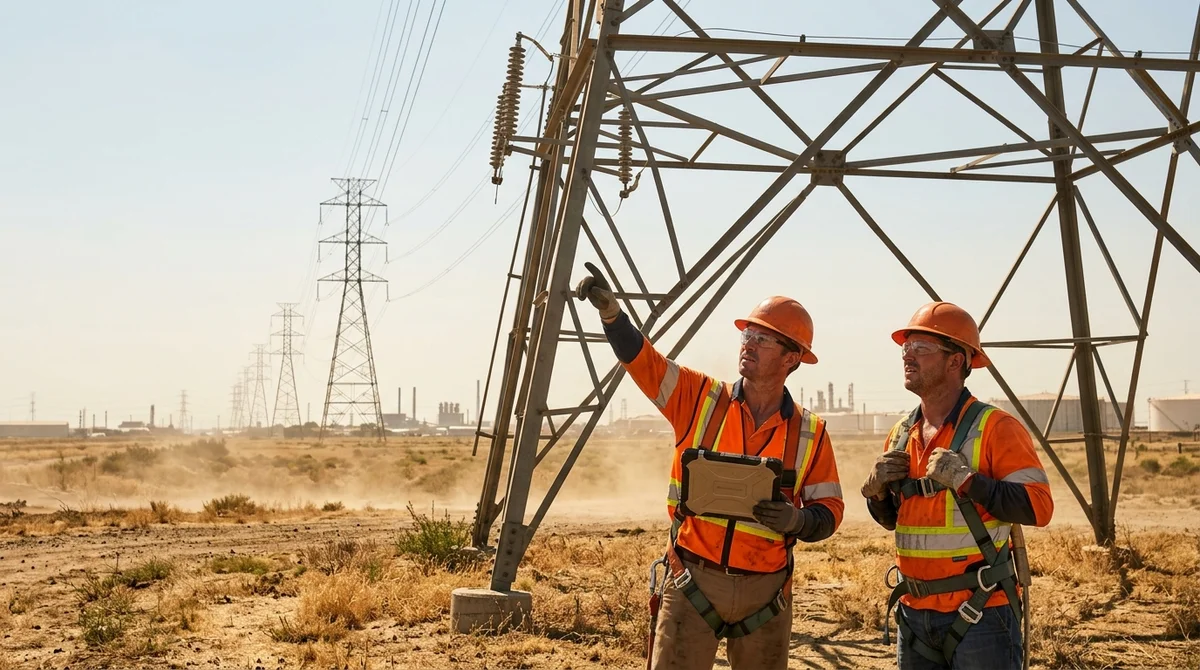
Records and First Consequences
An anomalous heat wave has engulfed Europe from the Iberian Peninsula to the British Isles. In France and Spain, temperatures in the shade exceed 40°C; Great Britain is recording values not seen in decades. Schools are closing, medical services are overwhelmed, authorities are introducing emergency readiness protocols. One of the most ironic episodes of the heat wave: in London, the Climate Action Week event dedicated to extreme heat had to be cancelled—precisely because of extreme heat.
Why Networks Are in Danger
Heat is not only a threat to human health. It is an immediate blow to energy infrastructure that was designed for a different climate. As millions of air conditioners turn on simultaneously, creating peak demand, generating and transmission capacities face double pressure. Specific bottlenecks that operators encounter:
- Thermal power plants lose efficiency—turbines operate less efficiently at high air temperatures
- Nuclear and river hydroelectric plants reduce output: water for reactor cooling is too warm, regulators impose restrictions
- Overhead power lines sag from heating, reducing allowable current load
- Solar panels paradoxically lose efficiency at temperatures above 25–30°C
- Peak cooling demand coincides with peak industrial and household consumption
Lessons from 2003 and Current Risks
Europe has already gone through a similar crisis. In the summer of 2003, a heat wave claimed more than 70,000 lives, and energy systems in France, Germany, and a number of other countries were brought to the brink. After that catastrophe, operators reviewed emergency protocols, authorities created early warning systems, and energy engineers began incorporating expanded climate ranges into designs. But reality proves faster than adaptation. The frequency of extreme summer heat waves in Europe over the past twenty years has increased significantly: events considered to be once-in-a-century occurrences now repeat every ten to fifteen years.
"Each summer poses questions to our infrastructure that it was not designed for,"
European energy operators state.
Green Energy: Strength or Vulnerability?
The transition to renewable sources adds a new dimension to summer crises. In calm conditions and during overheating, solar and wind installations may not provide the required volume of generation precisely when demand is at its maximum. Battery storage systems that could smooth out peaks are not yet deployed at the necessary scale. European operators are already introducing heightened readiness protocols, asking large industrial consumers to shift loads to nighttime hours, and activating reserve capacity. In some regions, temporary consumption restrictions are possible.
What This Means
The 2026 heat wave is another stress test for European energy systems and simultaneously a signal for everyone planning infrastructure. Climate adaptation of networks is ceasing to be a long-term program and is becoming an urgent task. For business, this means the need to account for unstable energy supply in summer when planning production; for cities, it means investing in network resilience before the next record June again pushes the system to its limit.
Want to stop reading about AI and start using it?
AI News is a curated feed of AI/tech news. Hamidun Academy teaches you to use AI systematically in your work.