AI helps scammers: fake 2026 World Cup tickets are harder to tell from real ones
Ahead of the 2026 World Cup, scammers have armed themselves with generative AI: fake FIFA lookalike sites, counterfeit tickets with QR codes, and deepfake…
AI-processed from Wired; edited by Hamidun News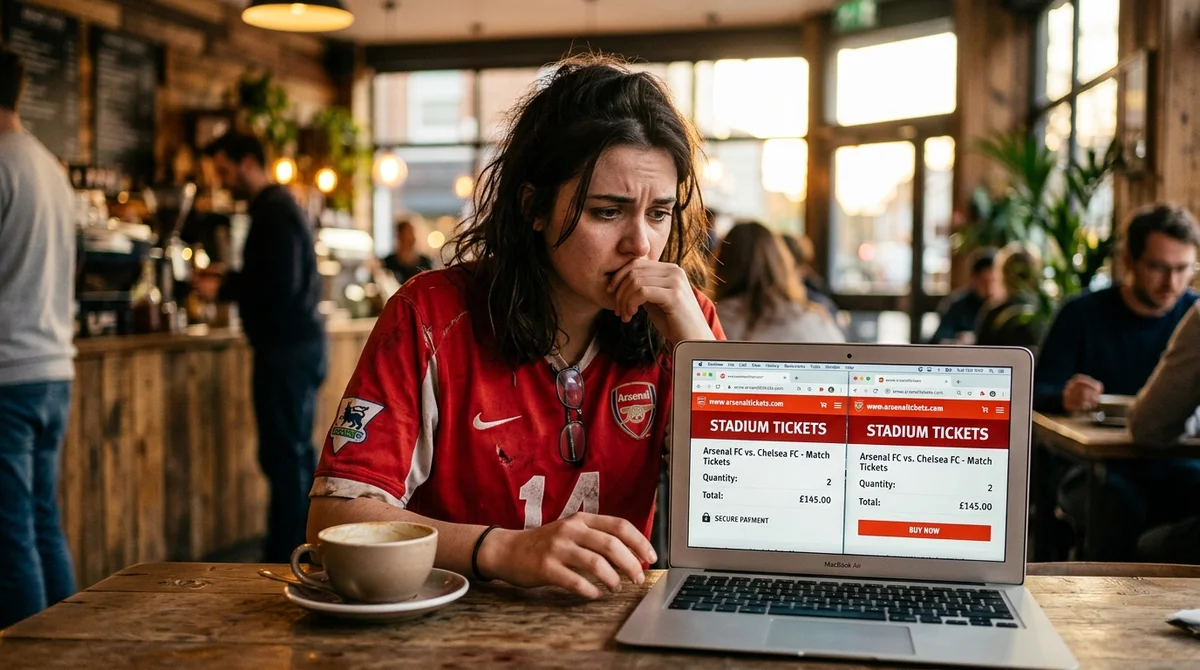
As the 2026 FIFA World Cup approaches, scammers are taking their schemes to the next level: AI tools allow them to create convincing fakes faster and cheaper than ever before. Distinguishing a fake website from the real one is becoming a task for a professional — not for an ordinary fan.
Scammers' New Arsenal
Generative AI technology has drastically lowered the barrier to entry for fraudulent schemes. Previously, creating a plausible phishing website required web development skills and significant time. Today, just a few prompts are enough to generate a clone of the official FIFA page in minutes — with the same fonts, logos, and convincing payment forms. Fraudulent schemes have become more diverse and sophisticated:
- Fake clone websites with slightly altered URLs — for example, fifa-official2026.com instead of fifa.com
- AI-generated QR codes on "tickets" that lead to phishing payment pages
- Deepfake videos featuring "official" FIFA representatives promoting ticket lotteries
- Chatbots impersonating customer support and collecting credit card data under the guise of verification
- Fake mobile applications with the World Cup logo on third-party platforms
Why Fans Fall for It
Demand for 2026 World Cup tickets is colossal: three host countries — the USA, Canada, and Mexico — are hosting 48 teams, making it the largest tournament in history. When official sales are scheduled months in advance and legitimate resale is limited, buyers inevitably turn to third-party resources.
"People want to attend a match so badly that they're willing to take risks.
Scammers exploit precisely this psychology," note cybercrime experts. Urgency tactics also help: schemes featuring "last seats" and "offers that expire in an hour" don't give victims time to verify the seller. The global scale of the tournament adds another factor — fans from dozens of countries face unfamiliar consumer protection laws and don't know where to turn if defrauded.
How Not to Fall for It
Cybersecurity experts agree on several key recommendations:
- Official channel only — buy through the verified FIFA website and authorized partners
- Manual URL verification — don't click links from email and messengers, type the address manually
- Avoid cryptocurrency and direct transfers — payment without chargeback capability makes refunds virtually impossible
- Check domain spelling — fake websites often contain subtle typos
- Don't trust social media — Instagram and Telegram have become the primary platforms for selling counterfeits
Special caution should be exercised with offers that appear immediately after official FIFA announcements: scammers launch campaigns in sync with news waves to appear part of them.
What This Means
AI has definitively blurred the line between real and fake for the average user. Major sporting events have always attracted scammers, but the 2026 World Cup creates a perfect storm: a record-breaking tournament scale, years-long ticket shortages, and imitation tools available to literally everyone. Fans will have to apply paranoid skepticism — treating any "advantageous" link as a threat by default.
*Meta has been recognized as an extremist organization and is banned in the Russian Federation.
Want to stop reading about AI and start using it?
AI News is a curated feed of AI/tech news. Hamidun Academy teaches you to use AI systematically in your work.