Apple Limited AI Capabilities of Siri in iOS 27 for Older iPhone Models
iOS 27 will equip Siri with powerful AI features, but only on new devices. Apple limited support for new features to the latest models — it's a matter of hardwa
AI-processed from ZDNet AI; edited by Hamidun News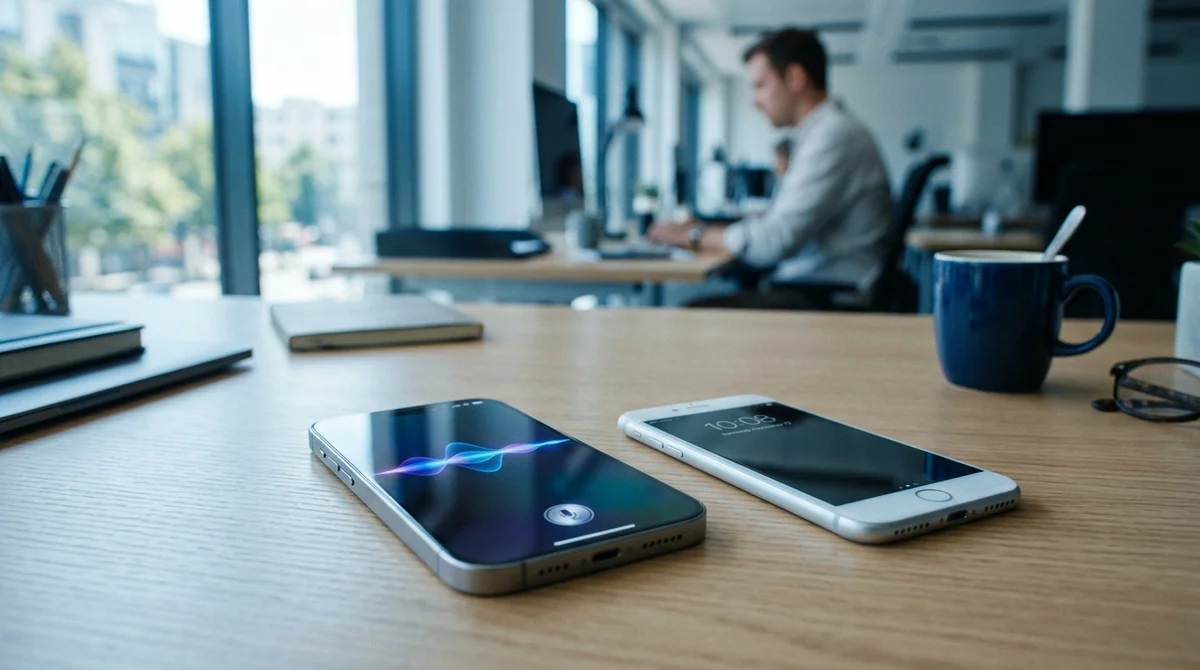
In iOS 27, Apple will equip Siri with new AI capabilities, but only the latest device models will receive support. The company limited features to new hardware due to high computational power requirements and specialized data processing components.
Which Devices Will Get AI-Siri
Owners of the latest iPhone models will be able to use the full set of new AI features for Siri, including advanced context recognition, conversation history analysis, and execution of complex operations in real time. On older models, these capabilities are simply unavailable — they can't be run without sufficient processor performance.
It's about hardware requirements. To run AI features efficiently, you need powerful hardware. Apple doesn't want to slow down older devices and chose a pragmatic approach: disable new features where they can't run quickly. The same applies to iPad, Mac, and other Apple devices. The company publishes an official list of compatible devices, but the logic is simple: the newer the model, the greater the chance of getting access to all features. Users of three- or four-year-old devices are left out.
Why New Processors Are Needed
AI features require serious computational power. Siri needs to analyze context, understand complex queries, and execute actions in real time. This requires not just a fast CPU, but also specialized components for machine learning processing. The second issue is data privacy. Apple prefers to process information locally on the device itself, rather than sending it to cloud servers. Local neural network processing requires specialized accelerators. The latest A-series processors have them, but older models simply don't have these components.
What Compatible Device Owners Will Get
Those lucky enough to have new hardware will be able to use the full range of features:
- Contextual understanding of requests and conversation history
- Execution of multi-step operations directly on the device
- Integration with applications through built-in AI
- Local data processing without sending to the cloud
- Enhanced privacy thanks to on-device processing
For owners of incompatible devices, the situation is frustrating. They see advertisements for new features, read about how Siri has become much smarter, but can't use these features themselves. The device works, the system gets updates, but the door to the future is simply closed.
History Repeats Itself
This isn't the first time Apple has limited features by generation. With each iOS release, new features require increasingly powerful hardware, and the company simply stops supporting older models. This teaches a harsh lesson to all users: if you want to get new features and keep up with the current iOS version, it makes sense to upgrade your device roughly every three to four years. After that period, you'll gradually be deprived of new features, even if your device still works fine.
What This Means
iOS 27 and AI-Siri is yet another example of Apple's deliberate strategy to accelerate the device upgrade cycle. For most buyers, this won't be a catastrophe — the old Siri will continue to work quite fine. But for those who prefer to keep their devices longer, this will be an unpleasant surprise: technological progress will simply bypass them.
Want to stop reading about AI and start using it?
AI News is a curated feed of AI/tech news. Hamidun Academy teaches you to use AI systematically in your work.