Amodei agreed: governments should have the right to block dangerous AI
Anthropic's CEO acknowledged that governments should have the right to restrict the distribution of dangerous AI models. This represents a shift from the compan
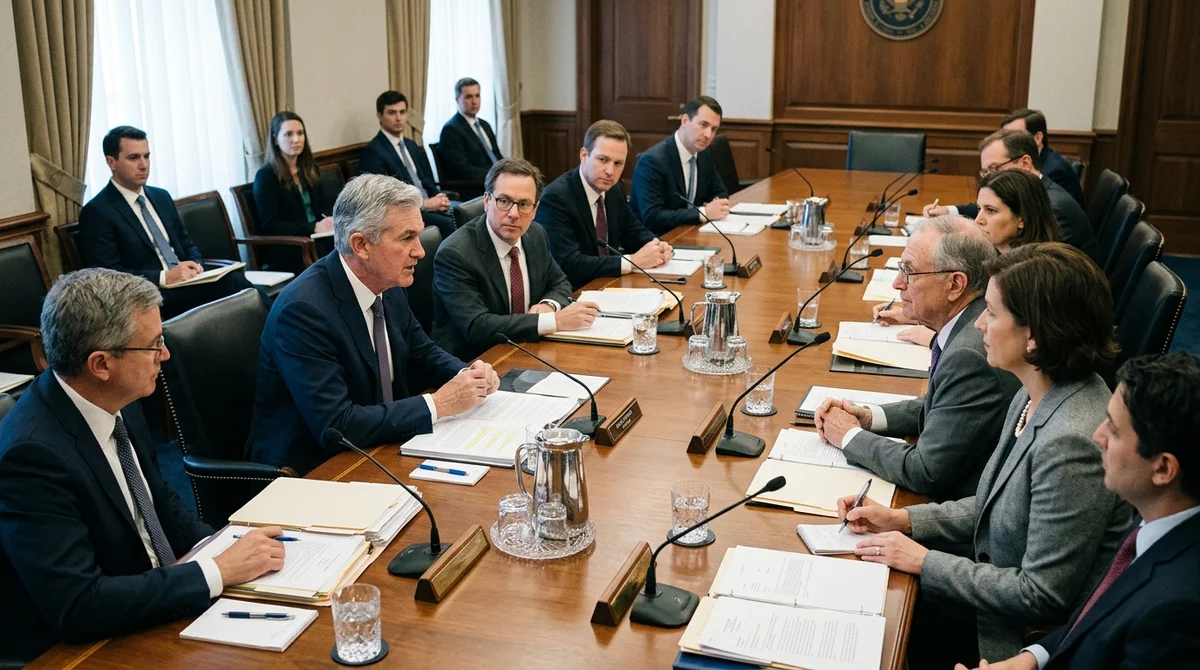
Dario Amodei, CEO of Anthropic, made an unexpected statement this week: governments should have the right to restrict the distribution of certain AI models if they pose a potential threat to security. This acknowledgment represents a notable shift in the company's position.
What Changed in Anthropic's Position
Previously, Anthropic became known precisely for its refusal to cooperate with authorities. The company declined contracts with the Pentagon and other government organizations, citing ethical considerations and the need to protect public interests. Amodei positioned the firm as a principled defender against government overreach. But now the company's leader has acknowledged that absolute resistance to any government intervention is the wrong approach. Amodei points out that truly dangerous AI models require exceptions to the general rule of non-intervention. It is about balance between innovation and safety.
Which AI Systems Require State Restriction
According to Amodei, dangerous models subject to restriction are those that:
- Can be used for biochemical synthesis of dangerous pathogens or weapons development
- Contain critical vulnerabilities that allow users to bypass built-in safety restrictions
- Are capable of controlling critical infrastructure (power systems, water supply, transportation, communications)
- Demonstrate undesirable capabilities that cannot be fixed after deployment
Amodei noted that in 2026, such models are still rare, but as AI scales, the number of potential risks inevitably grows. This is why it is important now to develop the right approach to regulation.
The State Against Risks: How to Regulate Without Censoring
Acknowledging the need for government control raises a complex question: how to distinguish fair regulation from censorship and political control? Amodei proposes a compromise mechanism — a transparent process involving independent experts and open criteria by which a model can be blocked. This approach differs from secret "blacklists," which critics often call instruments of suppression.
In Amodei's ideal scenario, companies and governments work together based on agreed safety standards.
"We cannot afford to ignore real risks simply because we feared government control," says
Amodei.
What This Means for the Industry
This shift in position from Anthropic's head signals growing maturity in the AI industry. The era when companies operated as completely independent players is ending. It is expected that in 2026, OpenAI, Google DeepMind, and other labs will come to similar conclusions.
Хотите не читать про ИИ, а внедрить его?
«AI News» — это полезные новости из мира ИИ. Системно научиться работать с нейросетями и применять их в работе — в Hamidun Academy.