Author of Book on How AI Undermines Truth Used AI-Generated Quotes
The book 'Future of Truth' is dedicated to examining how artificial intelligence undermines perception of reality and erodes trust in information. However, the
AI-processed from Wired; edited by Hamidun News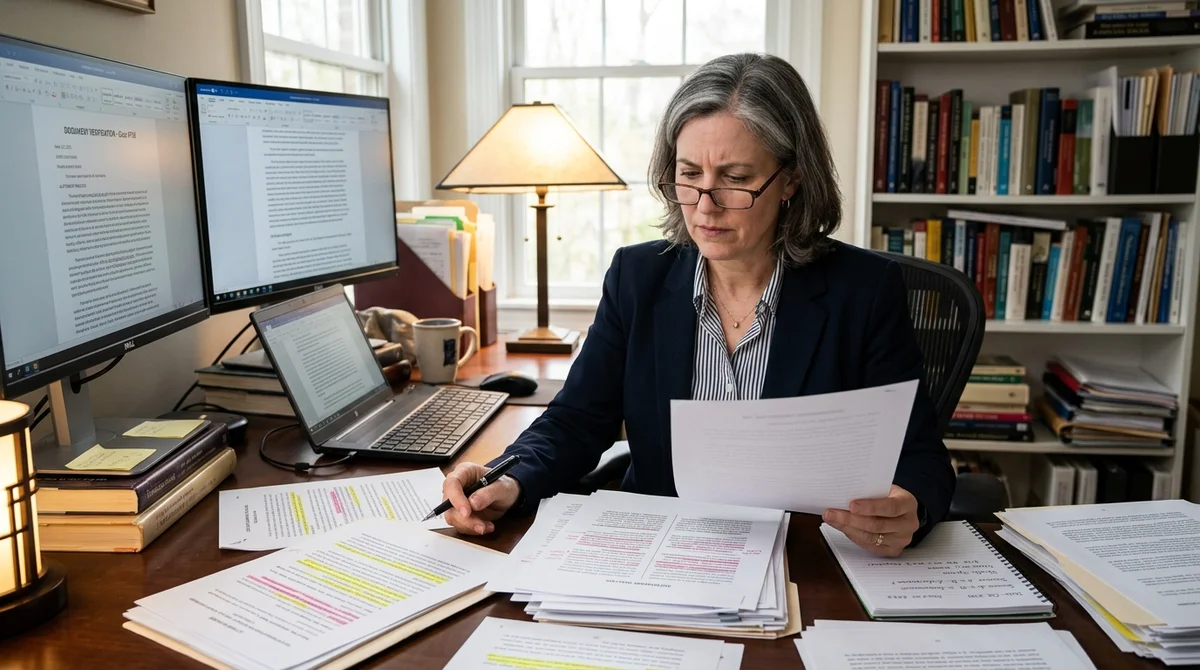
The author of 'Future of Truth' used AI-generated quotes in his work. Irony permeates the entire case: a book was written about how AI undermines the perception of reality and truth, yet the author himself relied on fabricated sources.
How the Scandal Was Uncovered
Critics and researchers verified the sources cited in the book and discovered that several quotes do not exist in the original sources. Verification revealed that the statements were created by a neural network. When an interviewer confronted the author about this, his explanation sounded awkward and unconvincing. He could not adequately explain why he used AI to generate quotes in a book dedicated to the problem of indistinguishability between real and fake. The interview video spread across social media and sparked a wave of criticism.
Why This Goes Deeper Than Plagiarism
The book is dedicated to how people lose the ability to distinguish truth from lies. The author analyzes the mechanisms by which generated information is embedded in consciousness and distorts the perception of reality. But if the author himself failed to distinguish—or deliberately failed to distinguish—real quotes from generated ones, his entire argument collapses. How can you trust a work about loss of trust if the researcher himself is not trustworthy? The problems extend further:
- Readers can no longer be certain which other statements in the book are genuine
- Critics are reexamining the entire thesis of the book through the lens of the author's contradiction
- The publisher and editorial team face questions about the quality of fact-checking
- The story becomes a living example of the problem the book investigates
Broader Context
This is not an isolated incident. As large language models proliferate, more researchers and authors face the temptation: why not use AI to accelerate work? But when the research topic itself is the problem of trust and reality, using AI becomes unethical. The author's colleagues express disappointment. Critics note that this is symbolic: if the author of a book about truth could not resist AI, what should we expect from ordinary readers?
What This Means
As AI generation becomes more accessible and convincing, the question of authenticity shifts from the philosophical to the practical plane. A book about AI's impact on the perception of reality, written with the help of AI-generated quotes, loses its authority. This is not merely ironic—it is a living demonstration of the very problem the author was writing about. The boundary between the real and the generated is blurring faster than we can comprehend.
Want to stop reading about AI and start using it?
AI News is a curated feed of AI/tech news. Hamidun Academy teaches you to use AI systematically in your work.