GLOBSEC 2026 revealed two fundamentally different paths for European digital policy development
GLOBSEC 2026 in Prague gathered over 2,000 participants and 270 speakers. Three days of discussions about the future of AI, cybersecurity, and digital trust rev
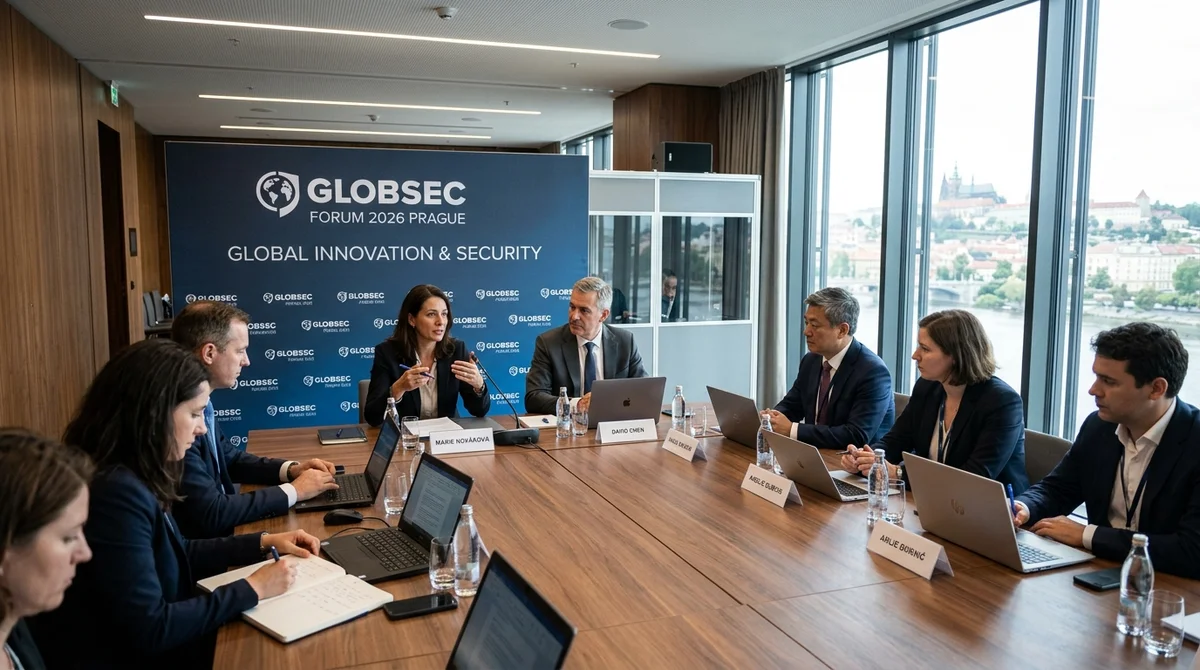
GLOBSEC 2026
Revealed Two Fundamentally Different Paths for European Digital Policy
The GLOBSEC Forum in Bratislava is one of Europe's most important security conferences, though it rarely makes headlines in the tech press. This year, it highlighted something crucial: a fundamental split in how Europe views its digital future. Two radically different visions clashed at the forum, and the collision point reveals the real nature of Europe's technological challenge.
The first vision is represented by those who believe Europe's salvation lies in innovation and competition. They argue that Europe has fallen significantly behind the United States and China in artificial intelligence development. They propose a solution: ease regulatory restrictions on startups, lower barriers to entry for new technologies, and allow market forces to work. This camp includes many tech entrepreneurs, venture investors, and digital strategists who believe that without radical market liberalization, Europe will never catch up.
The second vision comes from those who fear that unrestricted innovation will lead to the loss of European values. They advocate for strengthening regulations, maintaining control over digital infrastructure, and ensuring that technological development does not undermine European standards for data protection, privacy, and social stability. This camp includes regulators, consumer advocates, and those concerned about the concentration of power in tech companies.
Why is this choice real, not theoretical? Because Europe cannot simultaneously be the world's most regulated digital market and the most innovative one. Every euro spent on compliance by European startups is a euro not spent on research. Every regulatory barrier that ensures safety is also a barrier to rapid development. The choice is not between "good" and "bad"—it's between two legitimate but incompatible goals.
Meanwhile, AI lag creates strategic economic risk. American and Chinese companies dominate the large language model segment. European equivalents are still weaker and less well-funded.
This means Europeans face a choice within the next 1-2 years. The first path is to remain in the innovation camp, but then regulatory burden on startups must be eased and the idea of complete control must be abandoned. The second path is to stay the course on regulation, but then Europe risks remaining without its own leaders in the global digital economy.
This is not merely a question of technological leadership. It is a question of who will control the infrastructure upon which tomorrow's economy and citizen security are built.
GLOBSEC 2026 offered no ready-made solution, but made one thing clear: the choice can no longer be delayed.