Graduates Booed the AI Hype: Youth Skeptical About the Future
Graduates of the University of Arizona responded with criticism and whistles to a call from former Google CEO to help shape the future of AI. Young people…
AI-processed from MIT Technology Review; edited by Hamidun News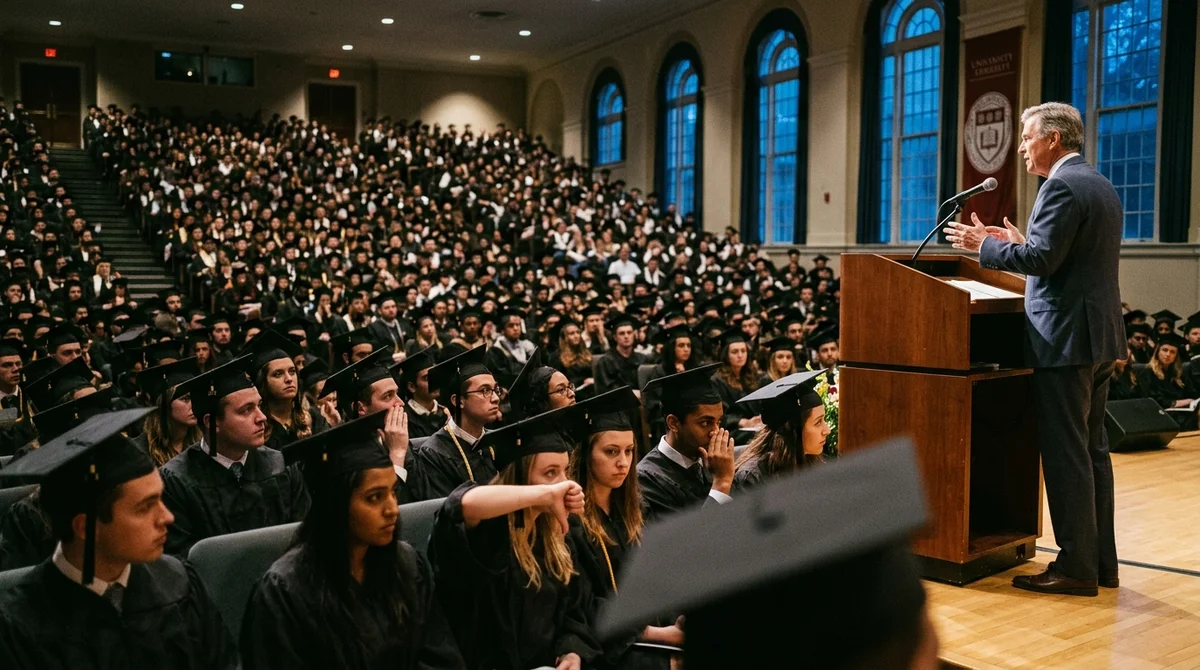
When former Google CEO Eric Schmidt told University of Arizona graduates that their task was to help shape the future of artificial intelligence, instead of applause, he was met with continuous booing and whistling. Instead of enthusiasm, there was direct criticism from young people who were being asked to become architects of a technology that inspired fear rather than admiration.
Skepticism Instead of Wonder
The scenario repeats at graduation ceremonies across the country. For decades, students have been told about digital transformation and innovation. But AI was the first technology that met not admiration, but open skepticism. Young people simply don't believe the narrative about noble progress. They grew up in an era when each new technology brought not only conveniences but also problems: data breaches, toxic social networks, concentration of power in the hands of a few companies. They're told—help make AI. The reaction: why?
Real Concerns
This is not mere youth cynicism. The graduates' concerns have a solid foundation:
- Job market displacement — AI could replace junior professionals faster than they can establish themselves
- Lack of control and transparency — no one explains how and why large models work
- Environmental footprint — data centers for model training consume astronomical amounts of electricity
- Concentration of power — control of the technology in the hands of a few corporations
- Social instability — hasty automation without a social safety net for the displaced
Graduates see how business has already begun massively implementing AI to cut costs. The first wave is always job cuts, not the creation of better jobs.
Generational Divide
This is fundamentally different from the perspective at the beginning of the internet boom. A generation that grew up with the internet has already lived through several technology cycles: blockchain promised revolution and devolved into speculation, social networks promised to connect people and created information bubbles. Young people don't deny AI's usefulness. But they demand not promises, but guarantees: that the technology will develop with society in mind, that benefits will be distributed fairly, that no one will be sacrificed in the name of progress.
What It Means
For the AI industry, this is a moment of truth. Companies have grown accustomed to enthusiastic investor forecasts. The era when technologies were believed on face value is passing. Young people demand not innovation for innovation's sake, but innovation with obvious public benefit. Ignoring the skepticism of the new generation risks losing the best talents to other fields or turning them against the technology being created.
Want to stop reading about AI and start using it?
AI News is a curated feed of AI/tech news. Hamidun Academy teaches you to use AI systematically in your work.