When an Ophthalmologist Makes a Mistake: How AI Helps Verify a Glasses Prescription
A visit to an ophthalmologist ended strangely: the prescription for distance was ideal, but for computer work it was unacceptable. The author asked AI to…
AI-processed from ZDNet AI; edited by Hamidun News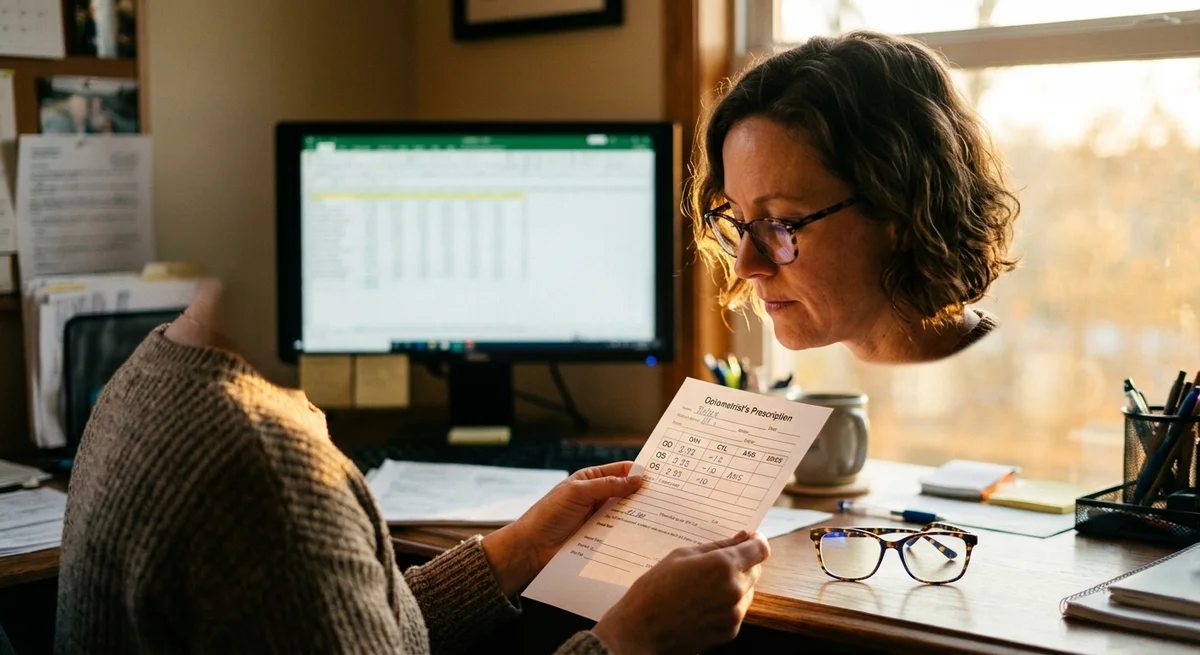
An ophthalmologist conducted a full examination and issued glasses for distance vision—and they work perfectly. But when the author wore them to work on a computer, it turned out to be impossible to focus on the screen. Something was wrong with the prescription. AI helped figure out all the numbers.
What's Wrong with the Prescription
A typical glasses prescription looks simple: diopters (lens power), astigmatism (if present), axis. But the ophthalmologist literally confused two correction modes. The prescription for distance vision was correct, but the doctor got confused with the parameters for near vision (computer distance—about 60 centimeters).
The author noticed this when he lent the glasses to a friend of the same age and similar vision. His friend's glasses worked perfectly. This meant one thing: the doctor hadn't made a mistake in his prescription, but had made a mistake in the author's.
AI as a Helper in Analysis
This is where a language assistant came in. The author simply wrote: "Here's my prescription, here's how the glasses work, here's the doctor's diagnosis—help me figure out what's wrong." AI broke down each number and checked the logic of the parameter combination for someone of that age and vision history. Result: AI identified a clear discrepancy. The near vision parameters were set up as if for a person with completely different refraction.
When the author showed this analysis to the doctor, the ophthalmologist agreed—the mistake was his.
- The doctor didn't check the prescription for both distances simultaneously
- AI analyzed the data without emotion or bias
- The doctor issued the new prescription more carefully
When Doctors Make Mistakes
Medical errors are not uncommon, but ophthalmology seems like an area where everything is simple: look into the device, prescribe glasses. In reality, an ophthalmologist sees hundreds of patients a week and quickly fills out paperwork. Errors in prescriptions happen infrequently, but they do happen. Usually they're caught on the spot: the patient says "I can't see like this," and the doctor redoes it. But sometimes the error is discovered at home, a week later—and then a second examination is needed.
What This Means
The story shows that AI can be useful as a verification tool—not in the medical sense, but in the logistical sense. When a person needs to figure out numbers, parameters, data, the technology can help structure information and point out discrepancies. This allows the patient to communicate more meaningfully with the doctor. AI doesn't replace the doctor, but can be a second pair of eyes when analyzing medical documents.
Want to stop reading about AI and start using it?
AI News is a curated feed of AI/tech news. Hamidun Academy teaches you to use AI systematically in your work.