Trump Delays Executive Order on Government AI Safety Reviews
U.S. President Trump postponed signing an executive order that would require government safety reviews of AI models before their market release. He cited…
AI-processed from TechCrunch; edited by Hamidun News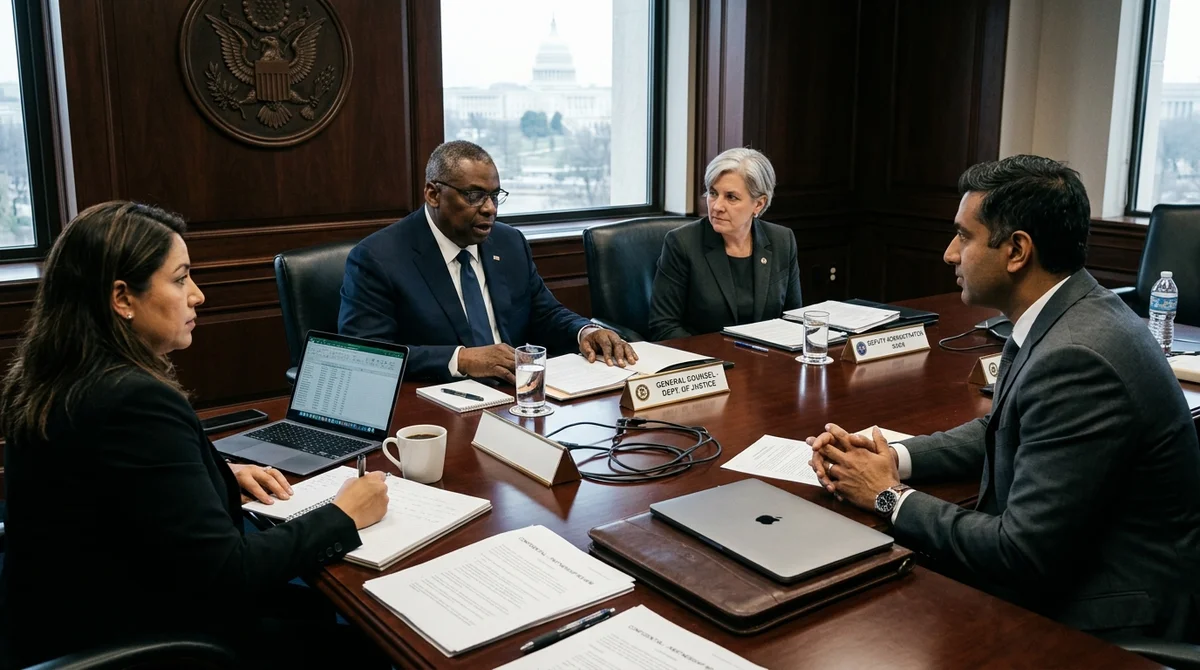
President Trump postponed signing an executive order that would require mandatory government safety reviews of AI models before their market release. He cited dissatisfaction with the order's wording, stating that it could hinder development and innovation in artificial intelligence.
What the Order Provided For
The executive order would have required mandatory pre-release safety reviews for all AI models before their public market launch. This practice is widely used across various industries—from aviation to pharmaceuticals—to assess potential risks and prevent deployment of potentially dangerous systems. The order was aimed at ensuring that AI developments would not pose threats to national security, critical infrastructure, and public health. The procedure would have included evaluating models for various types of bias, potential security vulnerabilities, training data issues, and other fundamental problems. The initiative came in the context of growing global concerns about risks associated with advanced AI systems.
Trump Administration's Position
"I don't want to obstruct the development of this technology," Trump said, explaining his decision to postpone signing. The president emphasized that the order's text contained language that could create unnecessary barriers to innovation in the private sector and slow American development in a critical field. The administration has repeatedly signaled its preference for a soft, non-restrictive approach to AI regulation.
Instead of strict government control and centralized reviews, Trump advocates for industry self-regulation and reduced bureaucratic barriers. The government believes that the absence of excessive regulation will allow the U.S.
to maintain its leadership in the global race for AI supremacy. The president proposed revising the order's text to find a balance between the need for safety and the stimulus for innovation.
How the Industry Perceives This
The postponement of the order was welcomed with relief by major AI companies that actively lobbied against strict pre-release reviews. For major industry players, this decision means reduced administrative burden and accelerated development processes.
Key consequences of the order's postponement:
- Absence of new regulatory barriers and government delays in AI model development
- Preservation of U.S. competitive advantage in the global race for AI leadership
- Acceleration of new AI product deployment to consumer markets and corporate sectors
- Reduction of company costs for compliance with strict government requirements
Companies also emphasize that overly strict requirements could promote migration of AI development to countries with less rigorous regulation—China, Southeast Asian nations—where safety may be a lower priority. For American market leaders, this would mean loss of competitive advantage.
What This Means
The postponement of the order reflects the Trump administration's strategic choice to prioritize the speed of innovation and U.S. global competitiveness in AI over pre-release regulation. However, it also means a postponement of necessary safety measures for an indefinite period, which could create risks when deploying advanced AI systems in critical sectors. It remains unclear whether the order will be revised with softer requirements and resubmitted, or whether the administration will completely abandon government pre-release reviews in favor of full industry self-regulation. The coming months may show whether the White House will choose a different path or propose a compromise option that satisfies both innovation advocates and safety advocates.
Want to stop reading about AI and start using it?
AI News is a curated feed of AI/tech news. Hamidun Academy teaches you to use AI systematically in your work.