Google Unveiled an AI-Agents Ecosystem to Consumers, but Explained It Poorly
At I/O, Google unveiled its vision for an AI-agents ecosystem to automate internet tasks. However, the presentation proved so confusing that consumers failed to
AI-processed from TechCrunch; edited by Hamidun News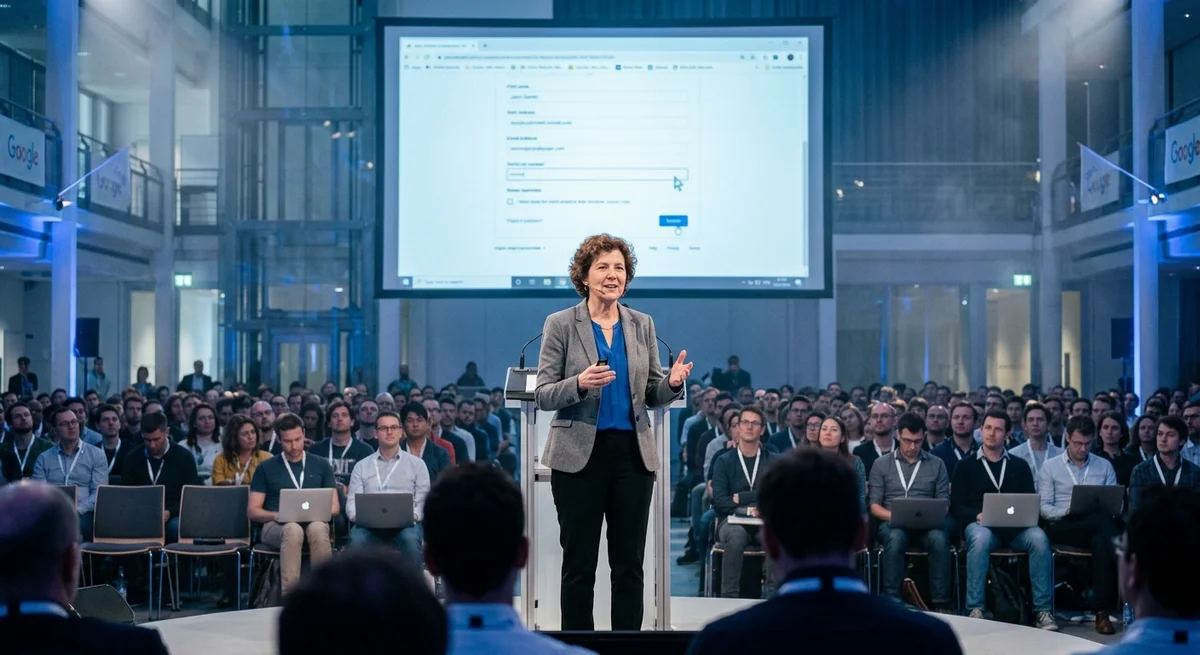
Google unveiled an ambitious project at its I/O conference: an ecosystem of AI agents for the mass market. The idea sounds revolutionary — agents will be able to independently execute internet tasks on behalf of humans. But therein lies the problem: consumers still couldn't quite understand what was being discussed on stage or why they need it.
What Google Showed
At I/O, Google demonstrated next-generation AI agents that work in browsers like real people. Agents can see web pages, understand their structure, click links, fill out forms, read results, and make decisions based on what they observe. This is not just an advanced chatbot — it's a full-fledged assistant that can independently book a flight ticket, find the best offer on a marketplace, or help search for needed information. The company is preparing not one or two solutions, but an entire ecosystem of such agents. A multi-layered stack with different models, tools, and partnerships. The ambition is clearly enormous — this is meant to become the next wave of human interaction with the internet.
Where's the Main Confusion
The problem is that Google tried to explain too much at once. At the announcement stage, there were numerous details, technical terms, and clarifications that confused the audience more than they enlightened it. Logically, consumers expect a simple answer: "Here's a new agent. Here's specifically what it does. Here's why you specifically need it." Instead, they received a complex architectural layer with vague promises, ecosystem details, and partnerships with unclear terms.
The most promising idea in the program, but the most confusing presentation.
Google spoke to the audience like an engineer addressing engineers, rather than as a company trying to sell an idea to millions of consumers.
Consumer Skepticism
The main question hangs in the air: will ordinary people even want to use such agents? People on the internet are used to browsing themselves, searching for information themselves, clicking links themselves. Do they really need a smart machine to do this for them? Consumer skepticism is based on several points:
- Unfamiliarity with trusting automation on this scale
- Privacy concerns — the agent sees everything you do in the browser
- Unclear pricing and access terms for the technology
- Competition from OpenAI (Operator) and Anthropic (Claude Browser)
- Lack of a killer app scenario that would demonstrate value to everyone
What This Means
Google tried to peer into the future of human-internet interaction, but presented itself like a scientist delivering an academic lecture instead of a company introducing a new tool to consumers. For IT professionals and businesses, this might be interesting. For ordinary users, the AI-agents ecosystem remains a mystery. A new wave of browser agents is inevitable, but Google needs to learn how to explain in simple terms why this is important and useful for each individual person.
Want to stop reading about AI and start using it?
AI News is a curated feed of AI/tech news. Hamidun Academy teaches you to use AI systematically in your work.