Spotify to Launch AI Song Remixes in Partnership with Universal Music Group
Spotify and Universal Music Group have launched a licensed AI remix service for Premium subscribers. Users will be able to create remixes and cover versions of
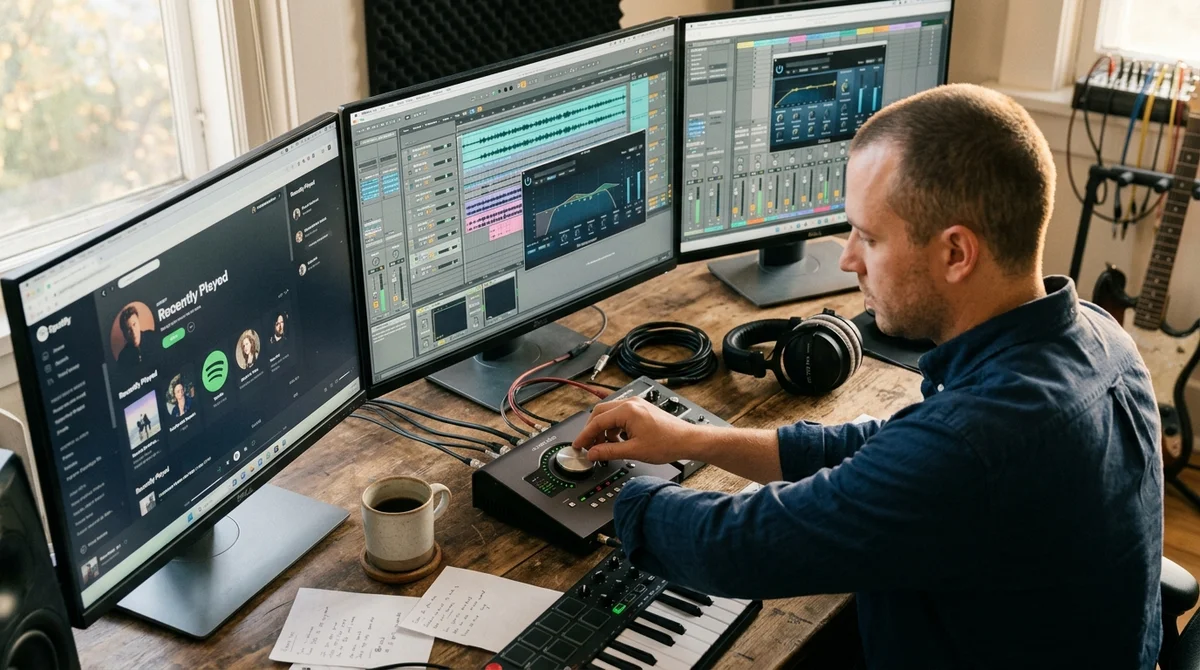
Spotify has announced the launch of a service for creating AI-generated remixes and cover versions of songs. This is the result of a licensing agreement with Universal Music Group — the first concrete product in a series of long-term partnerships between Spotify and major music labels to create so-called responsible AI products.
How the service works
The new tool will be available as a paid add-on for Spotify Premium subscribers. Users will be able to set parameters — style, genre, instruments, tempo — and the service will create a remix or cover version of any available song directly in the app. The process is simple: you select a track you like and describe what kind of remix you want. Want a synthwave cover? Or an electro-house remix? Maybe an acoustic version? The system processes your request and generates a new audio version in just a few minutes.
When the AI generates a track, Spotify will notify the rights holders of the original about the creation of the new version. This is an important part of the mechanics: complete transparency and control.
Here's an interesting policy detail: artists can opt out of the program. Those who agree will receive royalties for each AI remix or cover of their song. This is an unusual balance — the service operates and generates profit for the platform and users, but the creators of the original don't lose out and receive their share.
Rights management and artist control
Universal Music Group will monitor that licensing agreements are respected and rules work correctly. This is the key point of Spotify's policy: song creators don't simply lose control of their work, but have the ability to choose.
One artist can prohibit AI versions of their work entirely — their copyright will be fully respected. Another can agree and earn from it, receiving a percentage of each remix created. A third can set restrictions — allow remixes only in certain genres or tempos.
The system provides flexibility and control.
- Artist can completely opt out of the program
- Artist can allow AI remixes and receive royalties for each track
- Artist can set restrictions on style, genre, or use
- Universal tracks all license uses in real time
- Spotify assumes financial responsibility to the label and artists
History of Spotify and label partnerships
This is not a spontaneous move, but the result of lengthy negotiations between Spotify and the music industry. Back in October 2025, Spotify announced it was working with Universal, Sony Music, Warner Music, Merlin, and Believe on creating "responsible AI products." At that time, it was unclear what exactly this would be — it was simply a framework agreement with no specific timelines or examples.
Seven months have passed, and the first concrete product has appeared. These are music AI generators that respect copyright, don't pirate music, don't train on others' work without consent, and pay royalties.
For the music industry, this is an important precedent in working with AI.
What this means for the industry
The music industry is finding a way to accept AI without denying itself and losing control. Instead of bans and lawsuits, major labels are reaching agreements with streamers about unified rules.
If the model works and becomes profitable for all parties, it can become a template for other spheres: film, podcasts, literature.
The essence is simple: companies agreed on terms, so the technology gets legal status, money is distributed fairly, and innovation develops without conflicts and lawsuits.