Microsoft and Anthropic move AI training bases to Australia
Microsoft and Anthropic are relocating AI model training to Australia. The reason: American society has grown tired of massive data centers. Australia offers re
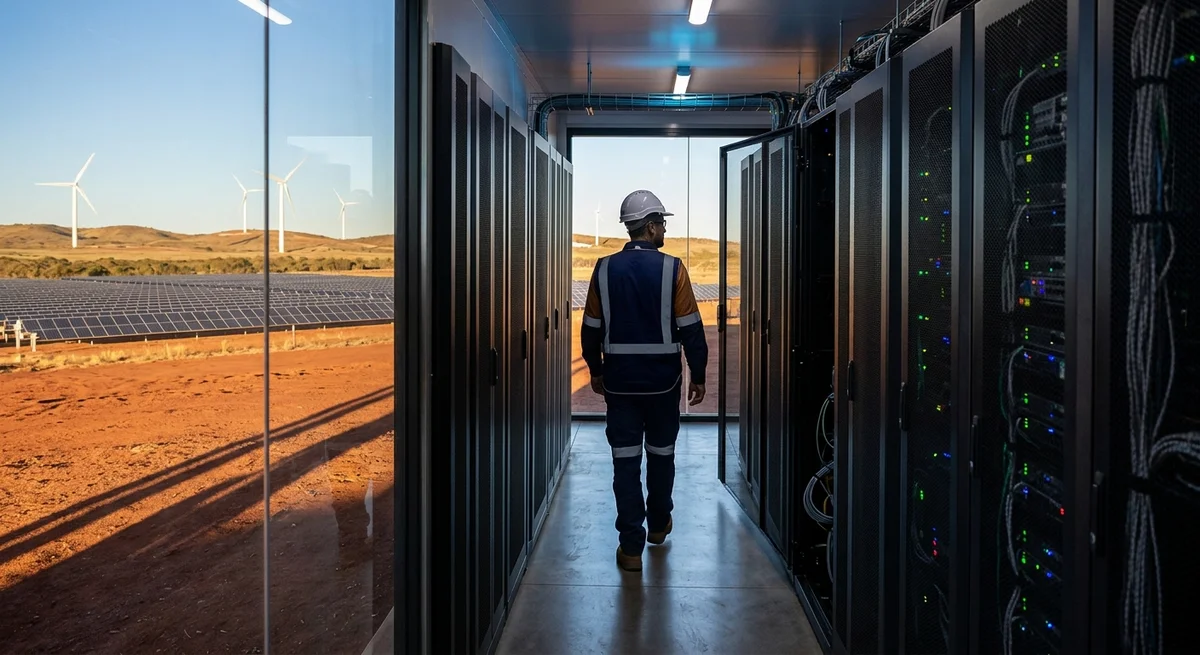
Microsoft and Anthropic have dispatched their executives to Australia. The reason is the search for a new, safe location to train large language models, which require astronomical computing power and enormous amounts of electricity.
Why America Is No Longer Enough
American society is tired of data centers. Huge server complexes consume so much electricity and water that local communities have begun actively protesting against new projects. In some states, approval timelines have stretched to several years, and public opinion is becoming increasingly critical of digital infrastructure expansion. Major companies have exhausted their American political capital. With each new project, obtaining approval becomes harder. Of course, the US remains a center of innovation, but as a venue for mega-infrastructure, it is no longer ideal.
Australia — The Ideal Base
AI giants have realized: if they want to continue growing, they need to find stable alternatives. Australia possesses a rare combination of advantages. First, vast expanses with cheap land. Second, cheap renewable energy—Australia sits on the edge of the "solar belt" and has some of the world's best wind resources. Third, political stability, predictable regulation, and rule of law. Plus, an English-speaking country with developed infrastructure and well-trained specialists. All of this makes Australia a natural choice for next-generation data centers.
What AI Training Data Centers Require
Training modern models like GPT-5 or Claude is not routine work—it's an industrial process. Here's what's really needed:
- Dozens of gigawatts of electricity (often more than a small city of a million people consumes)
- Hundreds of millions of liters of water annually to cool servers
- Fault-tolerant infrastructure that is not subject to natural disasters
- Security and political predictability for decades to come
- High-speed internet and connectivity with major research centers
- Good relations with government and the public
In the US, the first three points are becoming problematic. Environmental pressure is growing, approval timelines are stretching, and the risk of public opposition is only increasing.
For Australia, This Is a Gold Rush
The country faces an interesting dilemma. On one hand, it's an enormous economic opportunity. Data centers will bring direct investment, jobs, and tax revenue.
On the other hand, there's always the risk of repeating the American scenario, where production grows faster than regulation, and the environment suffers. Peter Lewis in The Guardian proposes a smart solution: establish a national AI wealth fund. Similar to Norway's oil fund, Australia could participate in the profits from new AI models trained on its territory.
This is fair—after all, the country provides critical resources and bears the economic risks. The idea makes sense. If Microsoft and Anthropic are writing the story of AI from Australian data centers, why shouldn't citizens of that country receive dividends from this development?
What This Means
The world of computing is no longer centered in one place. Now it's a global competition for stability, energy, and resources. Australia can become one of the key players in the new era of large-model training—if it can balance economic benefits with environmental protection.