Robot Replaced Volunteers: How a Nonprofit Organization Prepares Food in San Francisco
A San Francisco charitable organization has begun using robotics for food preparation. Robots prepare meals instead of volunteers, filling the personnel shortag
AI-processed from Wired; edited by Hamidun News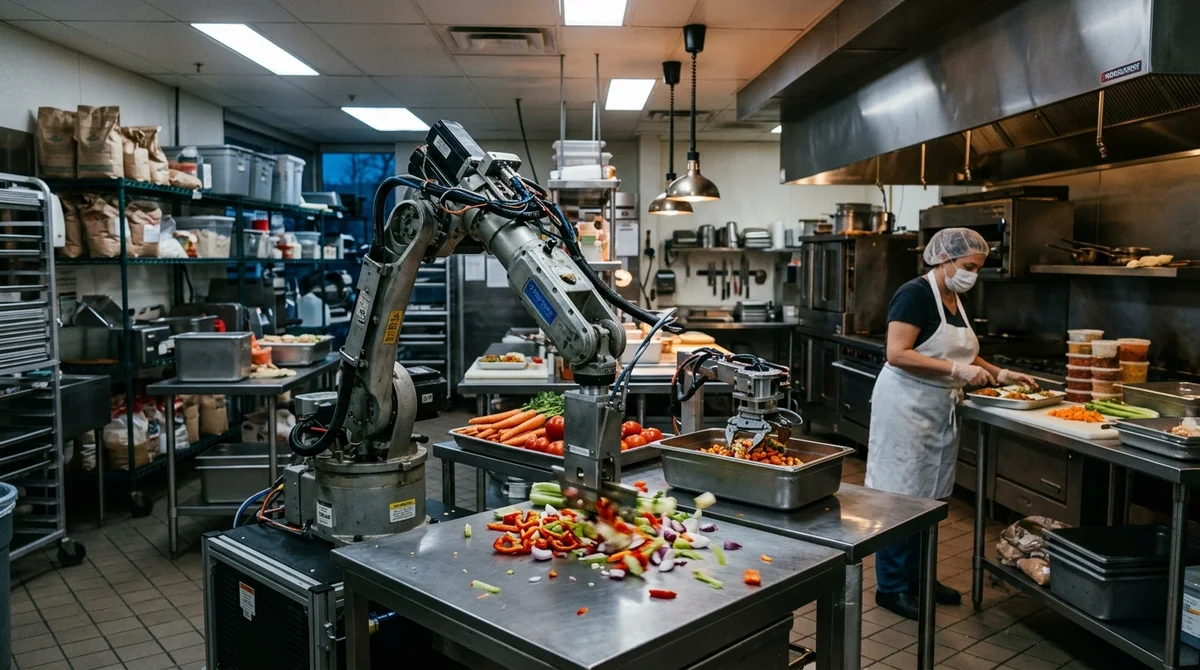
A charitable organization in San Francisco has begun using robotics for food preparation, facing an acute volunteer shortage. This solution symbolizes not only an innovative approach to charity, but also a practical response to the human resources crisis that nonprofits are experiencing in major American cities.
Where and Why It's Critical
The organization operates in the Tenderloin neighborhood—one of San Francisco's most disadvantaged districts, where the concentration of homeless people and those in social need is significantly higher than in other parts of the city. The neighborhood has historically suffered from a drug crisis and lack of affordable housing, creating constant demand for charitable assistance. Daily, the organization must feed hundreds of people.
The volunteer base has been shrinking in recent years for several reasons. People volunteer less after the pandemic, career priorities are changing, and turnover in the nonprofit sector remains high. The traditional approach of recruiting volunteers for routine culinary work is becoming increasingly ineffective. Meanwhile, demand for hot meals and food assistance for those in need is not declining—in fact, it grows year after year.
How the Automated Kitchen Works
Robotics technology is used here to replace routine and labor-intensive operations that require considerable time. The automated system prepares food with high precision and reproducibility. Key functions:
- Cutting and processing ingredients
- Mixing components and thermal processing
- Quality control and compliance with hygiene standards
- Packaging and labeling finished dishes
The robot requires no lunch breaks and can work night shifts without fatigue or errors. At the same time, the system remains flexible: software allows for changing recipes, adapting menus to the season, product availability, and special dietary requirements of clients. Food is prepared equally well each time.
Shifting Human Resources to Important Tasks
Using the robot has allowed the organization to increase kitchen capacity without hiring additional staff or volunteers. People who previously spent time on routine culinary operations—washing, chopping, cooking, cleaning—can now engage in work that requires human presence and attention. Volunteers and staff are now focused on feeding those in need, advising them, listening to their problems, and providing social work. This is more meaningful work that strengthens the bond between the organization and its clients, helping people feel heard. In parallel, this reduces labor costs and volunteer training expenses, redirecting the freed-up budget toward expanding services, social support, and assistance.
What This Means
The San Francisco story demonstrates how the nonprofit sector is beginning to use robotics not as a replacement for human warmth and care, but as a way to expand their reach and depth. When talent and people become a scarce resource, technology can save an assistance program. This is a model that could spread to other cities and organizations facing similar challenges and volunteer staff shortages.
Want to stop reading about AI and start using it?
AI News is a curated feed of AI/tech news. Hamidun Academy teaches you to use AI systematically in your work.